Your intimate Goals Start Here
Expert-Led vaginal dryness
Treatments
Talk to our clinic team about your questions. We can help you arrange a consultation and discuss the next step.
NextMed Clinic · KL, PJ, Cheras & Setia Alam
Send an email enquiry
Vaginal Dryness Treatment Malaysia: Causes, Hydration & Menopause Care
Cik Bunga — Women’s Intimate Wellness by NextMed Clinic
Medically Reviewed by: Dr Alicia Liw, Medical Director, NextMed Clinic
Last medically reviewed: 11/11/2026
Vaginal dryness is a common concern among women, particularly during perimenopause, menopause, after childbirth and while breastfeeding.
Some women experience mild discomfort, while others notice burning, irritation, painful intercourse or changes in their intimate health.
Although vaginal dryness becomes more common with age, it can affect women at different stages of life.
If you are searching for vaginal dryness treatment in Malaysia, understanding the underlying cause is the first step towards finding appropriate relief.
At NextMed Clinic, our Cik Bunga Women’s Intimate Wellness educational programme encourages women to understand their intimate health, recognise symptoms and seek professional medical advice when needed.
Table of Contents
What Is Vaginal Dryness?
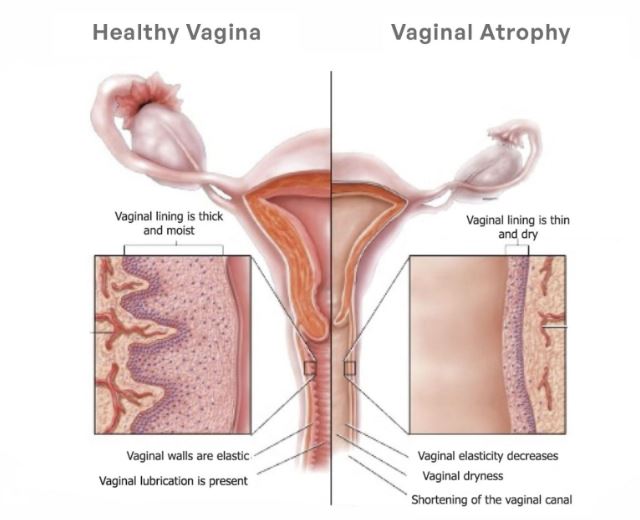
Vaginal dryness occurs when the vaginal tissues have insufficient moisture or lubrication, which may lead to irritation or discomfort.
The vaginal lining is normally supported by hormonal influences, natural secretions and healthy tissue function.
Changes in oestrogen levels, certain medications, medical conditions or local irritation may contribute to dryness.
Vaginal dryness is not necessarily caused by poor hygiene, and it should not be considered something women must simply tolerate.
Treatment depends on the underlying cause.
What Are the Symptoms of Vaginal Dryness?
Women experiencing vaginal dryness may notice:
Dryness or tightness around the vaginal opening
Burning or irritation
Discomfort during sexual intercourse
Pain with penetration
Reduced natural lubrication
Small tears or soreness associated with friction
Recurrent discomfort affecting daily activities
Some women also experience urinary urgency, burning with urination or recurrent urinary symptoms, particularly during menopause.
However, these symptoms may also indicate urinary tract infection or another condition requiring assessment.
Persistent pain, abnormal bleeding, unusual discharge, sores or unexplained genital symptoms should be medically evaluated.
What Causes Vaginal Dryness?
1. Perimenopause and Menopause
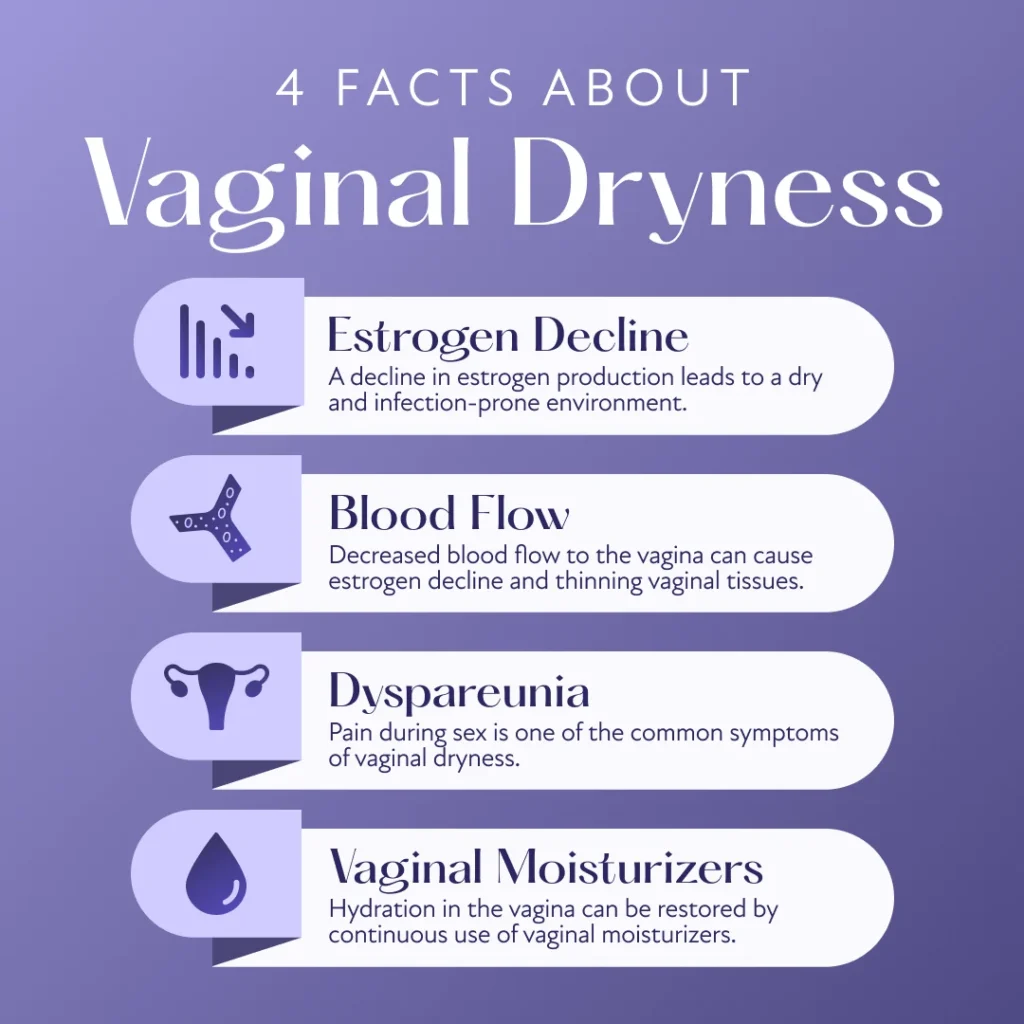
During perimenopause and menopause, oestrogen levels fluctuate and eventually decline.
Lower oestrogen levels can affect the vaginal lining, moisture and tissue elasticity.
Women may experience dryness, irritation and discomfort during intercourse.
When these symptoms are associated with menopause-related changes affecting the genital and urinary tissues, the condition may be described as genitourinary syndrome of menopause (GSM).
Unlike some menopausal symptoms, GSM often persists or progresses without appropriate management.
2. Vaginal Dryness After Childbirth
Hormonal changes following childbirth may contribute to vaginal dryness.
Women who are breastfeeding may experience lower oestrogen levels, which can temporarily affect vaginal lubrication.
Other postpartum factors, including healing after delivery, pelvic floor muscle changes and scar sensitivity, may contribute to discomfort during intercourse.
Persistent symptoms deserve assessment rather than assuming they are caused by dryness alone.
3. Breastfeeding
Breastfeeding can be associated with temporary changes in vaginal moisture because of hormonal influences.
Some women find that dryness improves as breastfeeding frequency decreases or hormonal patterns return to their previous state.
In the meantime, appropriate non-hormonal moisturisers and lubricants may help relieve discomfort.
4. Certain Medications
Some medications may contribute to vaginal dryness, including certain hormonal treatments, medications with anticholinergic effects and some cancer therapies.
Patients should not discontinue prescribed medication without discussing their symptoms with the treating doctor.
5. Irritating Feminine Hygiene Products
Scented washes, vaginal douching, harsh soaps and fragranced products may irritate the vulva or vaginal tissues.
The vagina does not require internal cleansing or douching.
Gentle care of the external vulval area is generally preferable.
6. Skin Conditions and Other Medical Causes
Vulval eczema, contact dermatitis, lichen sclerosus, infections and other conditions may cause symptoms that resemble vaginal dryness.
These conditions require different treatments.
A medical assessment can help distinguish dryness from other causes of intimate discomfort.
Vaginal Dryness Treatment Options in Malaysia
There is no single treatment suitable for every woman.
Management depends on age, symptoms, hormonal status, medical history and the underlying diagnosis.
1. Vaginal Moisturisers
Vaginal moisturisers are designed to provide ongoing relief from dryness.
Unlike lubricants, which are generally used during sexual activity, moisturisers are used regularly according to product instructions.
Some formulations contain hyaluronic acid or other moisturising ingredients.
These products may improve comfort, although their effectiveness varies between individuals.
Choose products specifically formulated for vaginal use rather than ordinary facial or body moisturisers.
2. Personal Lubricants
Lubricants can reduce friction and discomfort during sexual activity.
Water-based and silicone-based lubricants are commonly available.
Patients with sensitive skin may benefit from fragrance-free formulations.
Check compatibility with condoms and other products, as oil-based lubricants can weaken latex condoms.
Lubricants provide temporary relief but do not necessarily treat the underlying cause of persistent dryness.
3. Local Vaginal Oestrogen Therapy
For appropriate patients with menopause-related vaginal symptoms, low-dose vaginal oestrogen is an established medical treatment.
It can help improve vaginal tissue health, moisture and discomfort associated with genitourinary syndrome of menopause.
Available formulations may include creams, tablets or vaginal rings, depending on local availability.
Treatment suitability must be assessed by a qualified medical practitioner.
Patients with a history of breast cancer, unexplained vaginal bleeding or other relevant medical conditions require individualised assessment, sometimes involving their specialist.
4. Other Prescription Treatments
Depending on the diagnosis, patient history and local availability, other prescription options may be considered.
These may include systemic menopausal hormone therapy when indicated for broader menopausal symptoms or other treatments recommended by an appropriate specialist.
Not all therapies are available or suitable for every patient.
5. Treating Underlying Conditions
If discomfort is caused by infection, dermatitis, vulval skin disease or pelvic floor dysfunction, management should address the specific diagnosis.
Using moisturisers alone may not resolve symptoms caused by these conditions.
6. Energy-Based Vaginal Rejuvenation Treatments
Some clinics market laser or radiofrequency procedures for vaginal dryness and vaginal rejuvenation.
However, evidence supporting their long-term effectiveness and safety for menopause-related vaginal symptoms remains insufficient.
Potential complications include burns, scarring, pain and tissue injury.
These procedures should not be presented as equivalent to established medical therapies, and they are not recommended as routine first-line treatment for GSM.
Women considering such procedures should discuss the evidence, alternatives, uncertainties and regulatory status with a qualified clinician.
Can Hyaluronic Acid Help Vaginal Dryness?
Hyaluronic acid is a substance that helps retain moisture.
Certain vaginal moisturising formulations contain hyaluronic acid and may provide symptom relief for some women.
However, topical vaginal hyaluronic acid products and injectable hyaluronic acid fillers are different treatments.
Evidence supporting moisturising products should not be used to claim that injectable vaginal hydration procedures are proven safe or effective.
Injectable procedures involving genital tissues may carry risks, including infection, vascular injury, nodules, tissue damage and other complications.
Their use for vaginal dryness is not an established first-line treatment.
Vaginal Dryness During Menopause
Menopause-related vaginal dryness can affect comfort, sleep, intimacy and quality of life.
Symptoms may include dryness, burning, discomfort with intercourse and urinary complaints.
For women with genitourinary syndrome of menopause, treatment may involve non-hormonal moisturisers, lubricants and appropriate prescription therapies.
The best approach depends on symptom severity, medical history and personal preferences.
Women do not need to wait until symptoms become severe before discussing them with a doctor.
Vaginal Dryness After Childbirth and Breastfeeding
After childbirth, women may experience a combination of hormonal changes, tissue healing and pelvic floor changes.
For some women, vaginal dryness is temporary.
Gentle moisturisers and lubricants may provide relief, while persistent pain, bleeding or significant discomfort should prompt medical evaluation.
If pain is related to pelvic floor muscle dysfunction, targeted pelvic floor physiotherapy may be appropriate.
Learn more about Pelvic Floor Strengthening Malaysia.
Vaginal Dryness vs Vaginal Tightening: What’s the Difference?
Vaginal dryness and concerns about vaginal laxity are not the same condition.
Vaginal dryness relates to insufficient moisture or lubrication and may be associated with hormonal or tissue changes.
Vaginal laxity is a subjective concern about changes in vaginal sensation or support.
Pelvic floor weakness may also affect urinary control and pelvic function.
A treatment marketed for vaginal tightening does not necessarily improve dryness.
Similarly, moisturisers do not strengthen pelvic floor muscles.
Read more about Vaginal Rejuvenation Malaysia.
Can Vaginal Dryness Cause Pain During Intercourse?
Yes. Reduced lubrication may increase friction and cause discomfort during sexual activity.
However, painful intercourse can have several causes, including:
Vaginal dryness
Vulval skin conditions
Infections
Pelvic floor muscle overactivity
Scarring after childbirth
Endometriosis or other pelvic conditions
Persistent pain should not automatically be attributed to dryness.
A medical assessment is important to identify the appropriate management.
How Is Vaginal Dryness Diagnosed?
A medical consultation may involve discussing:
- When the symptoms started
- Whether symptoms are associated with menopause or breastfeeding
- Current medications
- Sexual discomfort or urinary symptoms
- Skin irritation or abnormal discharge
- Relevant medical history
Depending on the symptoms, a clinician may recommend an appropriate examination, infection testing or specialist referral.
An internal examination is not necessary for every patient and should only be undertaken when clinically indicated, with informed consent and appropriate privacy measures.
Vaginal Health Screening Malaysia
Vaginal Dryness Treatment Cost in Malaysia
The cost of vaginal dryness treatment depends on the cause, recommended assessment and treatment plan.
Potential costs may include:
Medical consultation
Diagnostic tests, if indicated
Vaginal moisturisers or lubricants
Prescription medication
Follow-up care
Specialist consultation when required
A medical consultation helps determine which options are appropriate.
Patients should be cautious of packages promising permanent vaginal hydration or guaranteed sexual improvement.
Built on Trust
Why Patients Choose NextMed Clinic for Women's Intimate Wellness?
NextMed Clinic is a doctor-led aesthetic and wellness clinic group with branches in Kuala Lumpur and Selangor.
Through our Cik Bunga Women’s Intimate Wellness educational initiative, we aim to encourage informed discussions about intimate health.
Our approach emphasises:
Respect for patient privacy
Personalised medical assessment
Understanding the underlying cause of symptoms
Evidence-informed treatment discussions
Realistic expectations
Appropriate referral to gynaecology or other specialists when needed
We believe women’s intimate health should be approached with dignity, medical care and informed decision-making.
OUR EXPERTS
Get To Know Our Aesthetic Doctors
Meet our LCP-certified aesthetic doctors, dedicated to delivering safe, personalised, and natural-looking results.

Dr. Alicia Liw is a certified aesthetic doctor with extensive experience in injectables, skin rejuvenation, and non-surgical anti-aging treatments. She is known for achieving natural, elegant results tailored to each patient’s unique features.
Expertise & Special Interests
Botox & Dermal Fillers – precise, natural enhancements
Skin Boosters & Collagen Treatments – improving texture & elasticity
Anti-Aging & Face Lifting – HIFU and minimally invasive procedures
Acne, Pigmentation & Scar Treatments – personalised skin solutions
Credentials & Achievements
Certified in Aesthetic Medicine & Injectables
Awarded Best Signature Periorbital Treatment in Malaysia
Represented Malaysia as the sole recipient of the International Aesthetics Award
Over 10 years of experience treating patients with advanced aesthetic techniques
Celebrities With NextMed Clinic
-

- @chrischanmt

-

- @tinaziz

-

- @jericashcash

-

- @daniellasya

-

- @princessnavinder

-

- @wenanitaangang

Real Patients, Real Results
We’ve helped thousands of people
Rated 4.9 Stars In Over 300++ Reviews (Google Reviews).
See what our patients have to say about their personalised treatments and transformations at NextMed.


Expert Answers
You ask, we answer
Frequently Asked Questions
About Vaginal Dryness
Find quick answers about treatments, safety, downtime, and results — everything you need to feel confident before your visit.
It is common during menopause because of declining oestrogen levels. However, symptoms can often be managed effectively, and women do not need to tolerate persistent discomfort.
Yes. Vaginal dryness can occur during breastfeeding, with certain medications or because of other medical and skin conditions.
The best treatment depends on the underlying cause. Vaginal moisturisers and lubricants may help mild symptoms, while appropriate patients with menopause-related dryness may benefit from prescription vaginal oestrogen.
Adequate hydration supports general health, but drinking extra water does not reliably correct hormone-related vaginal dryness.
Some vaginal moisturisers containing hyaluronic acid may help relieve dryness. Injectable hyaluronic acid procedures are different and have not been established as standard treatment for vaginal dryness.
Yes. Reduced lubrication may cause friction, discomfort or pain. Persistent pain should be assessed because it can have several causes.
Menopause-related genital and urinary tissue changes may occur together. However, burning urination, fever or other urinary symptoms may indicate infection and require assessment.
No. Laser treatment is not a routine first-line treatment for vaginal dryness, however it can stimulate collagen and patients do mentioned that it do improves on the vaginal tightening and lubrication during sexual intercourse.
For some women, dryness improves as hormonal patterns change after breastfeeding. Persistent symptoms should still be assessed.
Seek medical advice if dryness is persistent, causes pain or affects quality of life. Prompt assessment is particularly important for postmenopausal bleeding, unexplained bleeding, abnormal discharge, sores or significant pelvic pain.
Book a Confidential Women's Intimate Wellness Consultation
If you are experiencing vaginal dryness, menopause-related discomfort, painful intercourse or changes in your intimate health, speak with a qualified healthcare professional.
NextMed Clinic has branches in Kuala Lumpur (Damansara Heights), Petaling Jaya, Cheras Selatan and Setia Alam.
Please contact your preferred branch to confirm the availability of appropriate women’s health consultations and treatments.
Contact NextMed Clinic to enquire about a confidential women’s intimate wellness consultation.
NextMed Clinic — Enhancing Confidence.
Medical disclaimer: This article is for general educational purposes and does not replace professional medical advice, diagnosis or treatment. Treatment suitability varies according to individual medical history and clinical assessment.
Book a Consultation Today
Book Appointment Today!
📞 Call us today at Hotline Malaysia:
Clinic Location:
NextMed Clinic Petaling Jaya
38, Jalan Gasing, Bukit Gasing, 46000 Petaling Jaya, Selangor
NextMed Clinic Cheras
8-G, Jalan Simfoni 1, Menara Simfoni, Cheras Selatan, Balakong, 43300 Seri Kembangan, Selangor
NextMed Clinic Setia Alam
71-G & 73-G Jalan Eco Ardence D U12/36D, 40170 Shah Alam, Selangor
NextMed Clinic Damansara Heights Kuala Lumpur
No. 11G, Plaza Damansara, Jalan Medan Setia 1, 50490 Damansara Heights, Kuala Lumpur
Our Trusted Brands