What Is Intimate Brightening?
Intimate brightening refers to skincare or medical approaches intended to improve certain types of pigmentation affecting the external intimate area.
These concerns may involve:
Different anatomical areas require different approaches.
The vulva includes the external genital structures, such as the labia majora and labia minora. The vagina is the internal muscular canal.
Intimate brightening does not involve whitening the inside of the vagina.
Because genital tissues are sensitive, products and procedures suitable for the face or body may not be appropriate for the vulva.
Why Is My Intimate Area Dark?
Several factors may contribute to darker pigmentation around the intimate area.
1. Natural Skin Colour and Genetics
Melanin is the pigment responsible for skin colour.
It is normal for the labia, groin and surrounding intimate areas to be darker than other parts of the body.
Genetics and individual skin characteristics play an important role.
2. Hormonal Changes
Hormonal changes during puberty, pregnancy and other life stages may influence pigmentation.
Some women notice that their genital skin becomes darker during pregnancy.
These changes are often physiological and do not require cosmetic treatment.
3. Friction From Clothing
Repeated rubbing from tight clothing, underwear or skin-to-skin contact can contribute to irritation and post-inflammatory pigmentation.
This may be more noticeable around the groin folds and inner thighs.
4. Shaving and Waxing
Frequent hair removal can sometimes cause:
Repeated inflammation may leave darker marks even after the initial irritation has resolved.
5. Eczema and Sensitive Skin
Inflammatory skin conditions can affect the groin and external genital area.
Scratching, irritation and inflammation may result in pigmentation changes.
Treating the underlying skin condition is often more important than attempting to lighten the skin.
6. Other Medical Causes
Certain pigmentation patterns may be associated with underlying medical conditions.
For example, thickened, velvety darkening around the groin folds may suggest acanthosis nigricans, which can sometimes be associated with insulin resistance.
New, changing, irregular or symptomatic pigmented lesions require medical assessment to exclude other skin conditions.
Is It Normal for the Labia to Be Darker?
Yes.
The labia may naturally appear pink, brown, purple or darker than surrounding skin, depending on genetics, skin tone and other factors.
There is no single ideal colour for the female genital area.
Normal labial pigmentation does not require treatment.
Women considering intimate brightening should understand the difference between natural genital pigmentation and acquired pigmentation caused by irritation or inflammation.
Intimate Brightening Treatment Options in Malaysia
The appropriate approach depends on the cause of pigmentation, anatomical location, skin condition and individual medical history.
1. Gentle Intimate Skincare
The first step is often reducing irritation.
Recommended measures may include:
Avoiding harsh scrubs
Reducing repeated friction
Choosing comfortable, breathable underwear
Avoiding fragranced intimate products
Treating ingrown hairs or folliculitis appropriately
Maintaining a healthy skin barrier
These measures may help prevent additional irritation-related pigmentation.
2. Topical Pigmentation Management
For suitable external skin areas, a doctor may consider topical treatments to address acquired hyperpigmentation.
The choice of product depends on the diagnosis and skin sensitivity.
Ingredients used for pigmentation elsewhere on the body are not automatically safe for genital skin.
Never apply strong bleaching creams, hydroquinone, retinoids or exfoliating acids directly to genital tissue without appropriate medical guidance.
3. Management of Post-Inflammatory Hyperpigmentation
When pigmentation follows eczema, folliculitis, shaving irritation or other inflammation, treatment should focus on controlling the underlying problem.
Pigmentation may gradually improve once repeated irritation is reduced, although some marks can persist.
4. Laser or Energy-Based Procedures
Laser treatments are sometimes marketed for intimate brightening. Picolaser can improve on the uneven tone and pigmentation.
Laser treatment should not be considered a routine solution for normal vulval pigmentation.
5. Chemical Peels and Intimate Whitening Products
Some products and procedures are marketed specifically for intimate whitening.
Strong chemical peels and unregulated bleaching products can injure sensitive genital tissues, therefore needs to get doctor advice before doing treatments
Patients should avoid products that promise permanent whitening, guaranteed results or dramatic changes without medical assessment.
Can Intimate Brightening Help Dark Bikini Lines and Inner Thighs?
Pigmentation affecting the bikini line and inner thighs is different from pigmentation involving the labial tissue.
The bikini line and inner thighs consist of external skin that may develop post-inflammatory pigmentation following friction, shaving or folliculitis.
Depending on the underlying diagnosis, these areas may be suitable for carefully selected dermatological management.
However, the expected improvement varies, and there is no guarantee that the treated skin will become the same colour as surrounding areas.
Is Intimate Brightening Safe for Sensitive Skin?
Safety depends on the anatomical area, skin condition and proposed treatment.
The external genital region is particularly sensitive to irritation.
Patients with eczema, dermatitis, recurrent infections or persistent itching may require treatment of the underlying condition before any cosmetic approach is considered.
Intimate brightening should not be performed over active infections, open wounds or unexplained skin lesions.
Intimate Brightening vs Vaginal Rejuvenation: What’s the Difference?
Intimate brightening focuses on external skin pigmentation.
Vaginal rejuvenation is a broader term used for procedures marketed to address vaginal or vulval appearance and function.
These may involve very different concerns, such as:
Treatment for pigmentation does not improve pelvic floor muscle strength, vaginal lubrication or bladder control.
Learn more about Vaginal Rejuvenation Malaysia at NextMed Clinic.
Intimate Brightening and Labia Beautification
Some women considering intimate brightening may also have questions about the appearance of their labia.
Labia beautification refers to cosmetic procedures intended to alter labial shape, volume or appearance.
It is important to understand that labial asymmetry, variations in size and darker pigmentation are normal anatomical features.
Cosmetic procedures involving the labia may carry risks and do not necessarily improve health, comfort or sexual function.
A medical consultation can help distinguish normal anatomical variation from conditions requiring treatment.
What Happens During an Intimate Pigmentation Consultation?
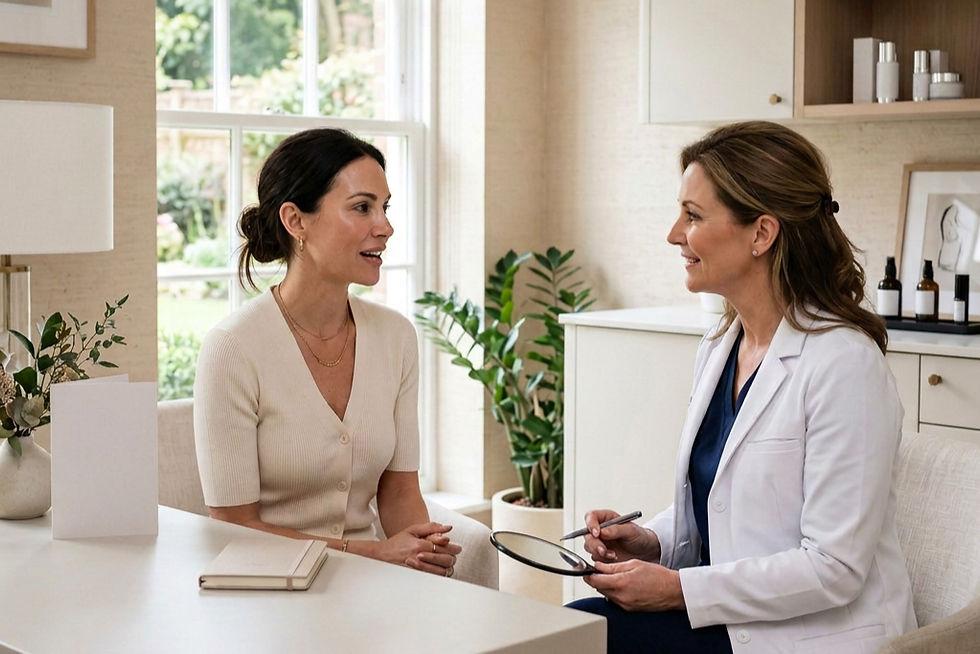
At NextMed Clinic, the approach to intimate skin concerns begins with understanding the patient’s symptoms and medical history.
Step 1: Understanding Your Concern
The doctor discusses when the pigmentation developed, whether it has changed and whether it is associated with itching, irritation, discomfort or hair removal.
Step 2: Skin Assessment
An appropriate examination may be recommended with informed consent and suitable privacy measures.
The doctor assesses whether the pigmentation is likely physiological, post-inflammatory or associated with another skin condition.
Step 3: Discussing Suitable Management
Depending on the findings, the doctor may recommend gentle skincare, treatment of an underlying condition, further investigation or referral.
Step 4: Setting Realistic Expectations
Patients should understand that normal genital pigmentation does not require correction and that cosmetic brightening results cannot be guaranteed.
Intimate Brightening Cost in Malaysia
The cost of intimate pigmentation management in Malaysia depends on several factors:
Cause of pigmentation
Anatomical area involved
Type of medical assessment required
Recommended skincare or treatment
Number of follow-up visits
A consultation is necessary before determining whether treatment is appropriate and providing a quotation.
Frequently Asked Questions About Intimate Brightening Malaysia
Why is my private area darker than the rest of my body?
Natural melanin distribution, genetics, hormones and friction can contribute to darker intimate skin. This is often completely normal.
Can intimate brightening permanently whiten the skin?
There is no guaranteed permanent whitening treatment. Results depend on the underlying cause, and pigmentation may recur if irritation continues.
Is intimate brightening painful?
This depends on the procedure. Some topical products can cause irritation, while invasive or energy-based procedures may involve discomfort and additional risks.
Can I use facial whitening creams on my intimate area?
Not without medical advice. Products suitable for facial skin may cause significant irritation or injury when applied to genital tissue.
Can intimate brightening treat dark labia?
Natural labial pigmentation is normal. Cosmetic treatment of genital tissue carries particular risks and should not be assumed necessary or safe.
Does intimate brightening improve vaginal tightness?
No. Skin pigmentation treatments do not strengthen pelvic floor muscles or tighten vaginal tissues.
Can intimate brightening be performed after childbirth?
Pigmentation changes during pregnancy and after childbirth are common. A doctor should assess the cause and consider postpartum recovery and breastfeeding before recommending any treatment.
When should I see a doctor about intimate pigmentation?
Seek medical assessment if pigmentation changes suddenly, becomes irregular, is associated with persistent itching or pain, or involves a new or changing lesion.
Why Choose NextMed Clinic for Intimate Skin Concerns?
NextMed Clinic is a doctor-led aesthetic and wellness clinic group serving Kuala Lumpur and Selangor.
Our approach to intimate skin concerns emphasises:
Personalised medical assessment
Respect for privacy and confidentiality
Understanding the underlying cause of pigmentation
Appropriate skincare guidance
Realistic expectations
Referral to a relevant specialist when needed
We believe intimate wellness should focus on healthy skin, comfort and informed confidence rather than unrealistic beauty standards.