Pelvic Health at NextMed Clinic
Pelvic Floor Strengthening in Malaysia
Pelvic Floor Care: Where to Start
Pelvic floor strengthening means training the muscles that help support the bladder and control urine leakage. If you leak urine when you cough, laugh or exercise, or notice changes after childbirth, an assessment can help you work out where to start. Not every pelvic floor problem is caused by weak muscles.
Kegels are one type of pelvic floor exercise. Supervised pelvic floor muscle training can be tailored to how well you contract and relax those muscles. Chair-based stimulation is different and is not a substitute for an assessment or supervised care. Learn more in the NICE guidance on pelvic floor care.
Ask NextMed Clinic about a pelvic floor consultation and confirm what is available at your preferred branch before booking.
Table of Contents
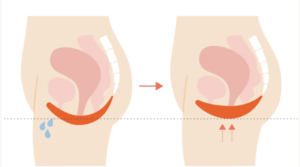
What Is the Pelvic Floor?
The pelvic floor is a group of muscles and connective tissues located at the bottom of the pelvis.
These muscles help support important organs, including the bladder, uterus and bowel.
The pelvic floor plays several roles:
- Supporting the pelvic organs
- Helping control urination and bowel movements
- Maintaining pelvic stability
- Contributing to sexual function
- Coordinating muscle relaxation and contraction
Like other muscles, the pelvic floor requires appropriate strength, endurance and coordination.
However, pelvic floor dysfunction does not always mean the muscles are weak. Some individuals experience excessive muscle tension, poor relaxation or coordination problems.
A medical assessment helps determine the underlying issue.
Signs and Symptoms of Pelvic Floor Weakness
Pelvic floor weakness may contribute to several symptoms.
1. Urine Leakage When Coughing or Sneezing
Do you sometimes leak urine when laughing, coughing, jumping or exercising?
This may be a sign of stress urinary incontinence, which occurs when pressure on the bladder exceeds the support provided by the urethral closure mechanism and surrounding tissues.
2. Reduced Bladder Control
Some people experience urinary urgency, frequent urination or difficulty controlling the bladder.
These symptoms have several possible causes and are not always related to pelvic floor weakness.
3. Changes After Pregnancy and Childbirth
Pregnancy and childbirth can affect pelvic floor muscle function, connective tissue and nerve support.
Some women experience urinary leakage or pelvic heaviness after delivery.
4. Pelvic Heaviness or Pressure
A sensation of heaviness or bulging may indicate pelvic organ prolapse.
This requires proper assessment rather than relying solely on muscle stimulation.
5. Changes in Pelvic Muscle Coordination
Some women have difficulty identifying or contracting their pelvic floor muscles correctly.
A pelvic health professional can assess muscle contraction and relaxation and recommend suitable exercises.
What Is a Pelvic Floor Chair?
A pelvic floor chair uses electromagnetic stimulation to activate pelvic floor muscles while a person is seated. Unlike an exercise you do yourself, the device triggers muscle contractions. Body-sculpting equipment is not automatically suitable for pelvic floor treatment. Ask which device is used, what it is intended for, and whether it is appropriate for you.
How Does Electromagnetic Pelvic Floor Stimulation Work?
Electromagnetic muscle stimulation uses a magnetic field to induce electrical activity in nearby nerves.
When applied through an appropriately designed pelvic floor treatment device, this may cause repeated contractions of the pelvic floor muscles.
The intended goal is to assist muscle activation and improve selected aspects of pelvic floor function.
Potential Advantages of Chair-Based Treatment
Depending on the device and approved protocol, chair-based stimulation may offer:
- A non-surgical treatment approach
- Treatment without incisions
- Muscle stimulation without voluntary repetition of every contraction
- A seated treatment position
- An option for selected patients who have difficulty activating pelvic floor muscles
These features do not establish that the treatment is superior to supervised pelvic floor exercises.
Clinical studies of electromagnetic pelvic floor stimulation have reported variable results, and further high-quality research is needed to establish its comparative effectiveness and long-term outcomes.
Pelvic Floor Strengthening for Urinary Incontinence
Urinary incontinence means involuntary leakage of urine.
There are several types.
Stress Urinary Incontinence
Urine leakage occurs during activities that increase abdominal pressure, such as:
- Coughing
- Sneezing
- Laughing
- Running
- Jumping
- Lifting heavy objects
Pelvic floor muscle training is a recommended first-line treatment for many women with stress urinary incontinence.
Urge Urinary Incontinence
This involves a sudden, difficult-to-control urge to urinate, sometimes followed by leakage.
Treatment may involve bladder training, lifestyle measures, medication or other approaches depending on the underlying cause.
Mixed Urinary Incontinence
Some women experience both stress and urgency-related leakage.
Treatment is individualised according to the predominant symptoms.
Can the NextSculpt Chair Help With Urine Leakage?
Electromagnetic pelvic floor stimulation has been investigated as a treatment for urinary incontinence.
Some studies report improvements in symptoms, but the strength and consistency of evidence remain limited compared with established pelvic floor muscle training programmes.
The suitability of NextSculpt specifically depends on its approved indication and supporting clinical evidence.
It should not be presented as a guaranteed cure for urinary incontinence.
Pelvic Floor Strengthening After Childbirth
Pregnancy and childbirth place additional demands on the pelvic floor.
Some women may notice:
- Urine leakage after delivery
- Reduced pelvic floor muscle control
- Difficulty returning to high-impact exercise
- Pelvic heaviness
- Changes in pelvic muscle coordination
When Can I Start Pelvic Floor Treatment After Delivery?
Gentle pelvic floor exercises may be introduced during postpartum recovery when medically appropriate.
However, the timing of electromagnetic pelvic floor stimulation requires individual assessment, particularly following a Caesarean section, perineal injury or complicated delivery.
Medical clearance and the manufacturer’s contraindications must be considered.
Is NextSculpt a Replacement for Postpartum Rehabilitation?
No.
Postpartum pelvic floor rehabilitation may include supervised exercises, breathing coordination, bladder training and management of scar discomfort or pelvic pain.
Electromagnetic stimulation, where appropriate, should be considered an adjunct rather than a replacement for comprehensive pelvic health care.
Pelvic Floor Exercises, Supervised Training and Chair Treatment
- Kegel exercises: You contract and release the pelvic floor muscles yourself. If you are unsure whether you are using the right muscles, ask a qualified clinician for guidance.
- Supervised pelvic floor muscle training: A clinician checks how well you contract and relax your muscles and tailors the exercises. NICE recommends supervised training as a first option for women with stress or mixed urinary incontinence.
- Pelvic floor chair treatment: A device stimulates muscle contractions. Suitability and evidence depend on the device and the condition being treated. It is not a replacement for an assessment or a supervised programme.
Who May Be Suitable for Pelvic Floor Treatment?
An assessment may be helpful for women experiencing:
- Urinary leakage during physical activity
- Pelvic floor weakness after childbirth
- Difficulty identifying pelvic floor contractions
- Age-related changes in pelvic muscle function
- Persistent bladder control concerns
Men may also experience pelvic floor dysfunction, including after prostate surgery, but the appropriate treatment pathway differs.
Who Should Avoid Electromagnetic Pelvic Floor Stimulation?
Suitability depends on the device instructions and medical history.
Potential contraindications or precautions may include:
- Pregnancy
- Certain implanted electronic medical devices, such as pacemakers
- Metal implants in or near the treatment field
- Active infection or other acute pelvic conditions
- Recent pelvic surgery or childbirth without medical clearance
- Certain neurological or medical conditions
The final screening criteria must follow the specific manufacturer’s instructions for use.
What to Expect at Your First Pelvic Floor Consultation
Step 1: Medical Consultation
Your doctor asks about your symptoms, when they started and what you would like help with. They may ask about childbirth or previous pelvic surgery if relevant.
Step 2: Pelvic Floor Assessment
An appropriate assessment helps determine whether symptoms are related to weakness, poor muscle coordination, overactivity or another condition.
Further investigations or specialist referral may be required.
Step 3: Personalised Treatment Plan
Your doctor discusses suitable treatment options, including supervised pelvic floor exercises, lifestyle changes, bladder training and device-based options where appropriate.
Step 4: Device Treatment
If electromagnetic chair treatment is clinically appropriate and authorised for the intended use, the patient is positioned according to the manufacturer’s protocol.
The session duration, stimulation intensity and treatment frequency depend on the specific device.
Step 5: Follow-Up Assessment
Progress may be monitored through symptom frequency, bladder diaries, validated questionnaires and patient-reported improvement.
Further management is adjusted according to the response.
How Many NextSculpt Chair Sessions Are Needed?
There is no universal number of sessions suitable for every patient.
The recommended treatment course depends on the device protocol, symptoms, clinical assessment and response.
Claims about a fixed number of contractions, guaranteed results or specific improvement percentages should only be made when supported by evidence for the exact equipment and indication.
Is Pelvic Floor Chair Treatment Painful?
Electromagnetic muscle stimulation may produce sensations of muscle contractions, tingling or discomfort.
Patient experiences vary according to stimulation intensity and individual sensitivity.
Potential adverse effects should be explained before treatment, and patients should report any unusual pain or symptoms.
Pelvic Floor Strengthening Treatment Cost in Malaysia
The cost of pelvic floor treatment in Malaysia depends on the type of treatment, number of sessions, professional assessment and any required follow-up.
Supervised pelvic floor physiotherapy and electromagnetic chair treatment are different services and may have different pricing structures.
Before booking, ask your preferred branch what the initial consultation includes, whether any follow-up or treatment is quoted separately, and which options are available there.
OUR EXPERTS
Get To Know Our Aesthetic Doctors
Meet our LCP-certified aesthetic doctors, dedicated to delivering safe, personalised, and natural-looking results.

Dr. Alicia Liw is a certified aesthetic doctor with extensive experience in injectables, skin rejuvenation, and non-surgical anti-aging treatments. She is known for achieving natural, elegant results tailored to each patient’s unique features.
Expertise & Special Interests
Botox & Dermal Fillers – precise, natural enhancements
Skin Boosters & Collagen Treatments – improving texture & elasticity
Anti-Aging & Face Lifting – HIFU and minimally invasive procedures
Acne, Pigmentation & Scar Treatments – personalised skin solutions
Credentials & Achievements
Certified in Aesthetic Medicine & Injectables
Awarded Best Signature Periorbital Treatment in Malaysia
Represented Malaysia as the sole recipient of the International Aesthetics Award
Over 10 years of experience treating patients with advanced aesthetic techniques
Celebrities With NextMed Clinic
-

- @chrischanmt

-

- @tinaziz

-

- @jericashcash

-

- @daniellasya

-

- @princessnavinder

-

- @wenanitaangang

Real Patients, Real Results
We’ve helped thousands of people
Rated 4.9 Stars In Over 300++ Reviews (Google Reviews).
See what our patients have to say about their personalised treatments and transformations at NextMed.


Expert Answers
You ask, we answer
Frequently Asked Questions
About Pelvic Floor Strengthening Malaysia
Find quick answers about treatments, safety, downtime, and results — everything you need to feel confident before your visit.
Yes. Supervised pelvic floor muscle training can improve symptoms in many women with stress or mixed urinary incontinence. Device-based treatments have less established evidence and require individual assessment.
No. Kegel exercises involve voluntary contractions, while an electromagnetic chair uses stimulation to activate muscles.
Possibly, but only after appropriate postpartum assessment and confirmation that the device is suitable for your recovery stage.
Pelvic floor muscle activation is not the same as physically tightening vaginal tissue. Claims about vaginal tightening or improved sexual pleasure should not be assumed from muscle stimulation alone.
Menopause-related changes may affect pelvic and urinary symptoms. Treatment suitability depends on the underlying condition and may involve pelvic floor physiotherapy, medical treatment or other interventions.
Yes, pelvic floor rehabilitation can help selected men with urinary symptoms. The role of electromagnetic stimulation depends on the diagnosis and device indication.
Safety depends on the specific device, medical history, contraindications and treatment protocol. A medical assessment is necessary before proceeding.
Long-term pelvic floor health often requires ongoing exercises and appropriate management of contributing factors.
Why Choose NextMed Clinic for Pelvic Floor Wellness?
NextMed Clinic is a doctor-led aesthetic and wellness clinic group serving Kuala Lumpur and Selangor.
Our approach to pelvic floor wellness focuses on:
Individualised medical assessment
Respectful and confidential consultations
Understanding the cause of urinary and pelvic symptoms
Explaining non-surgical management options
Appropriate specialist referral when needed
Realistic expectations about treatment outcomes
Pelvic floor wellness is not simply about strengthening muscles. It is about improving function, comfort and quality of life through appropriate medical care.
Book a Pelvic Floor Wellness Consultation at NextMed Clinic
Ask about a pelvic floor consultation at your preferred NextMed branch. Our team can confirm whether the service is available there, explain what the first visit includes, and share the consultation fee before you book.
Choose a preferred branch to enquire on WhatsApp:
Our Trusted Brands















Read Related Articles: