



ESSALIA Malaysia: Human Acellular Dermal Matrix for Regenerative Aesthetics
A Different Approach to Regenerative Aesthetics
From simply replacing volume to understanding the extracellular environment of our skin.
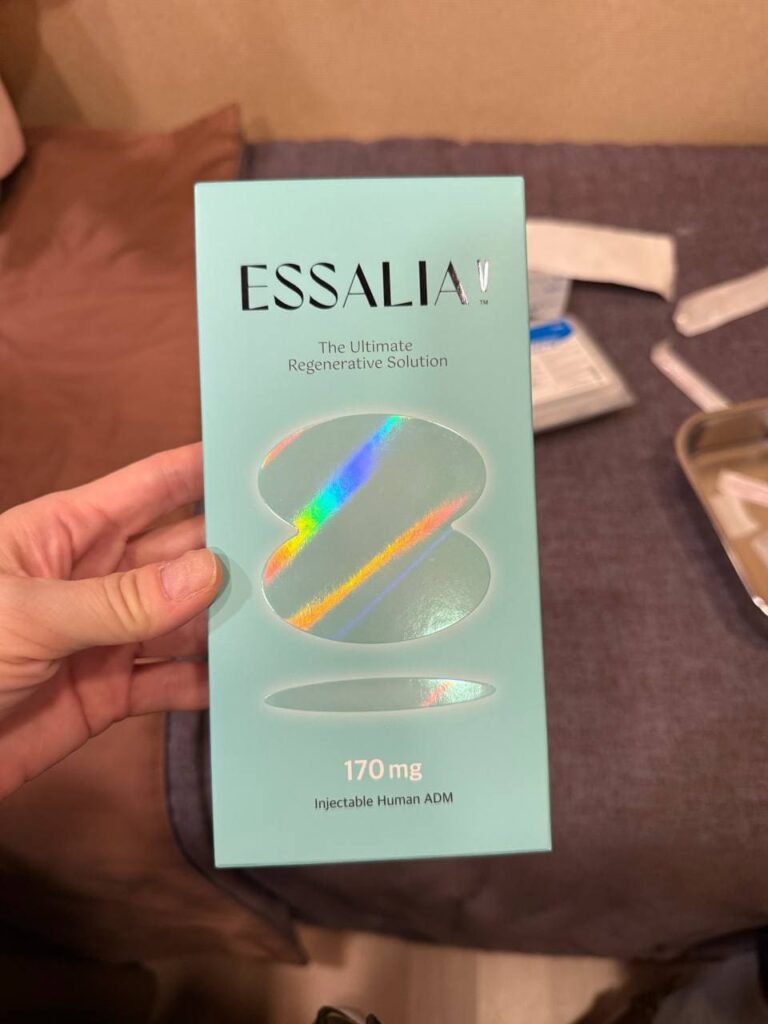
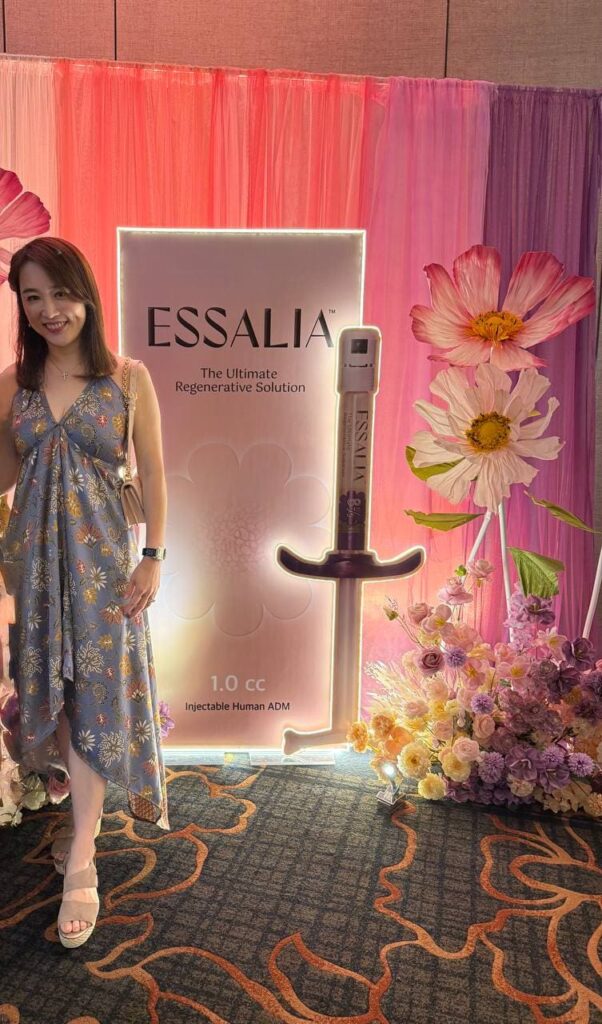
ESSALIA is an injectable human Acellular Dermal Matrix (ADM) developed from processed human dermal tissue. It introduces a different concept to aesthetic medicine by providing components of the natural extracellular matrix (ECM) rather than functioning simply as a conventional hyaluronic acid filler.
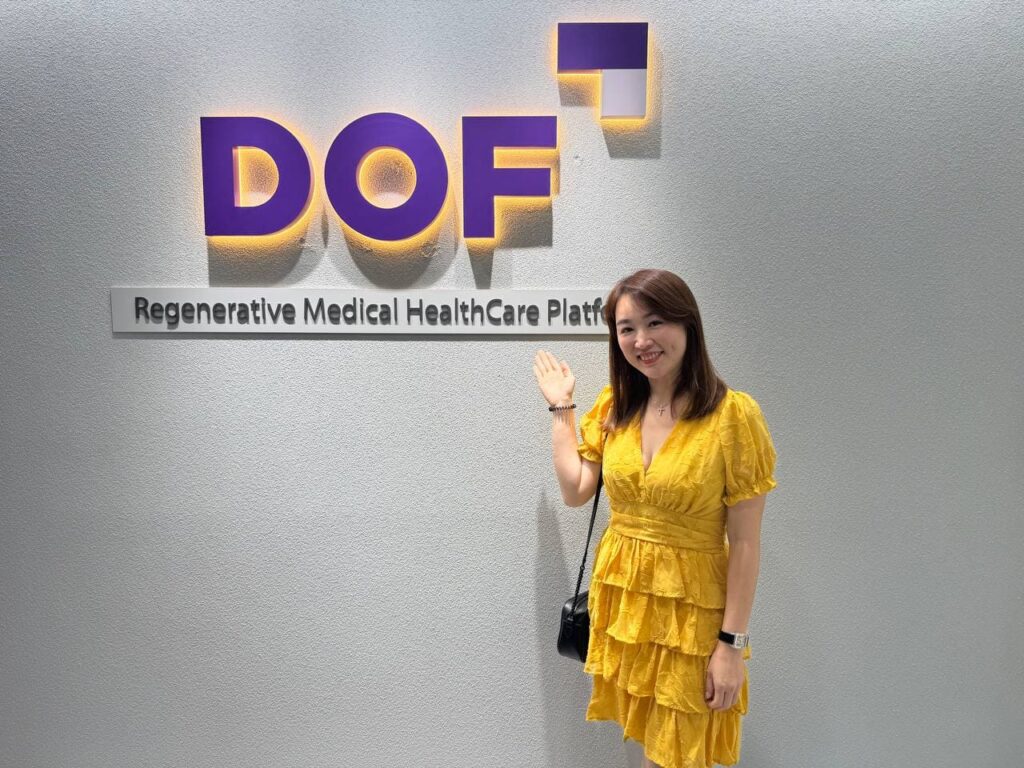
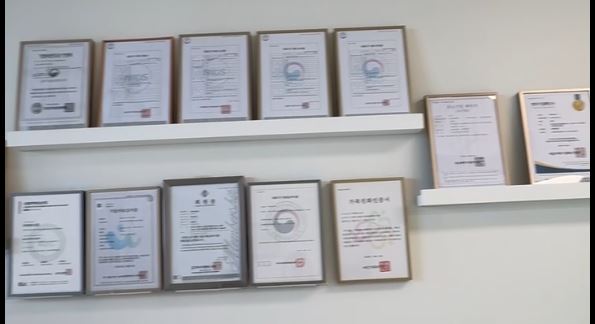
As part of my evaluation of this technology, I visited the manufacturer and tissue-processing facility in Korea to understand how ESSALIA is produced, its supercritical CO₂ processing technology, donor and tissue screening, quality control and safety considerations.
Learn About Essalia
Book a Doctor Consultation
Table of Contents
What Is ESSALIA Human ADM?
ESSALIA is a micronized human acellular dermal matrix (ADM) injectable supplied in a pre-filled syringe.
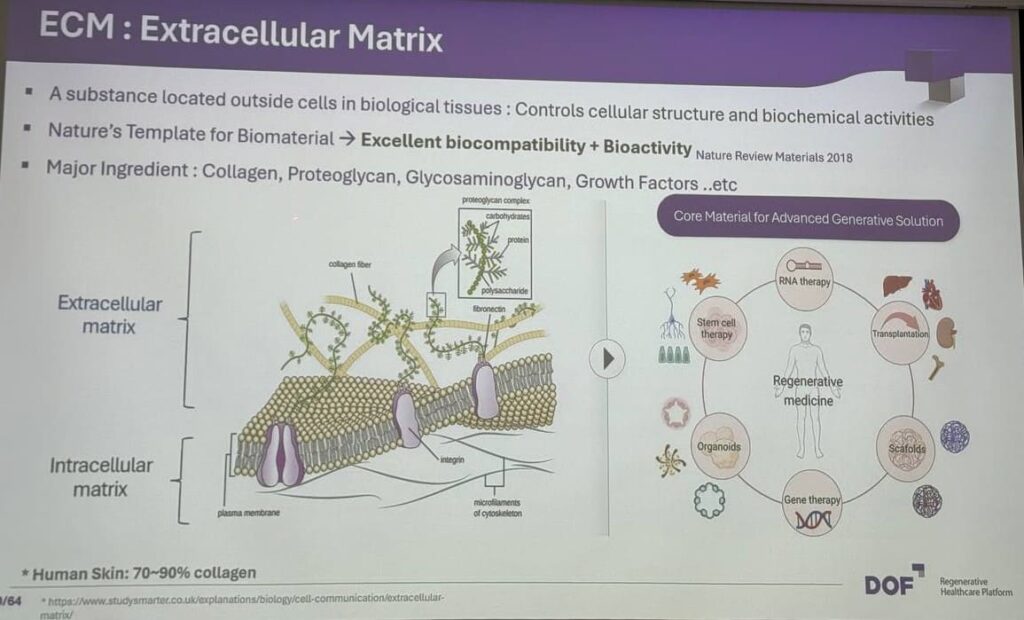
Human skin naturally contains an extracellular matrix composed of structural components including collagen and elastin.
During the manufacture of ADM, donated human dermal tissue undergoes decellularisation, a process designed to remove cellular components while preserving important elements of the extracellular matrix.
This results in a tissue-derived biomaterial that is fundamentally different from conventional hyaluronic acid fillers.
ESSALIA ≠ Conventional HA Filler
HA filler: primarily provides volume and structural support.
Human ADM: provides a processed, tissue-derived extracellular matrix scaffold.
What Is the Extracellular Matrix (ECM) in Our Skin?
Think of the ECM as the structural environment surrounding our cells.
The skin’s extracellular matrix contains components such as:
- Collagen — provides structural strength and support.
- Elastin — contributes to elasticity and recoil.
- Other extracellular proteins and signalling components — contribute to the tissue environment surrounding cells.
As we age, changes occur not only in our skin cells but also within the extracellular matrix supporting them.
This is why ECM and tissue scaffolds have become areas of increasing interest in regenerative medicine and regenerative aesthetics.
Why I Travelled to Korea to Study ESSALIA
When evaluating a new injectable treatment, I don’t only want to know how to inject it.
I want to understand what I am putting into my patient’s tissue.
That was why I travelled to Korea to visit the team behind ESSALIA and learn more about the manufacturing and tissue-processing technology.
My questions included:
Where does the human tissue originate?
How are donors screened?
How are the cellular components removed?
How much of the extracellular matrix is preserved?
How is the product tested for microbiological safety?
What quality-control procedures are performed?
And what scientific and clinical evidence supports its use?
For me, adopting a new injectable should not begin with marketing.
It should begin with understanding the science, manufacturing, safety and appropriate patient selection.
What Is Supercritical CO₂ Technology?
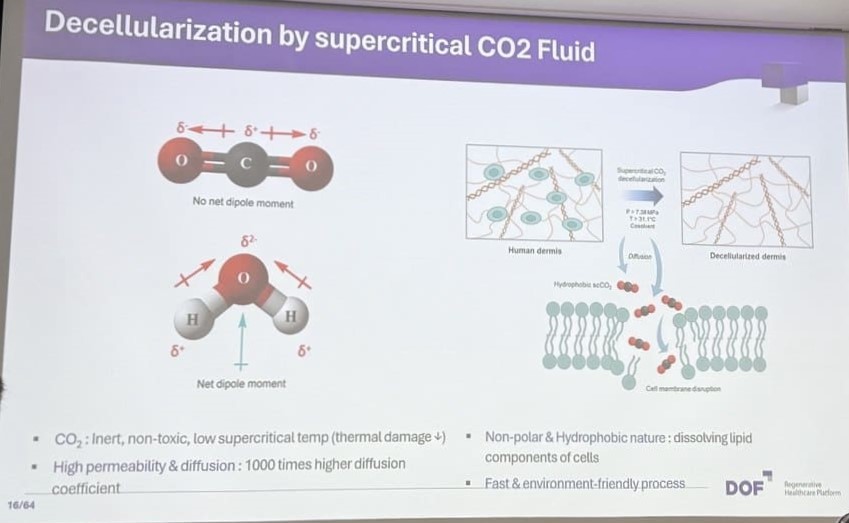
One of the technologies that particularly interested me during the visit was the manufacturer’s use of supercritical carbon dioxide (CO₂) in its tissue-processing technology.
According to the manufacturer, its ECELL process uses supercritical CO₂ and is designed to achieve tissue decellularisation without conventional detergent-based processing.
The objective is to remove cellular components while preserving important components and structural characteristics of the native extracellular matrix.
For human-derived biomaterials, understanding the processing method is particularly important because decellularisation, residual cellular material, extracellular matrix preservation, sterility and quality control can influence the characteristics of the final product.
ESSALIA vs HA Fillers, Skin Boosters and Collagen Stimulators
| Treatment concept | Primary purpose |
|---|---|
| HA Filler | Volume replacement, contouring and structural support |
| Skin Booster | Hydration and improvement of skin quality |
| Collagen Biostimulator | Stimulates a biological response associated with collagen production |
| Human ADM / ESSALIA | Provides a processed tissue-derived extracellular matrix scaffold |
These treatments are not interchangeable.
The most appropriate option depends on whether we are treating volume loss, structural ageing, skin quality, laxity, wrinkles or a combination of concerns.
What Can ESSALIA Be Used For?
According to the manufacturer’s information, ESSALIA has been designed for aesthetic applications including:
Facial volume restoration · Facial contouring · Nasolabial folds · Marionette lines · Wrinkles · Skin texture · Skin elasticity
However, having a possible indication does not mean every patient should receive the same treatment.
A doctor’s assessment should consider the patient’s:
facial anatomy + tissue quality + degree of ageing + treatment objective + medical history
before deciding whether ADM or another treatment is more appropriate.
Is ESSALIA Safe?
Because ESSALIA is a human-derived allograft material, I believe its origin, processing and safety procedures deserve particular attention.
According to information provided by the manufacturer, the donated human tissue undergoes donor screening and relevant infectious-disease and microbiological testing, followed by controlled tissue processing and manufacturing procedures.
During my visit, understanding these steps was one of my main priorities.
However, no injectable medical treatment is completely risk-free.
Treatment safety also depends on factors such as:
appropriate patient selection, facial anatomy, injection technique, injection plane, aseptic technique, product handling and the ability to recognise and manage complications.
This is why ESSALIA—or any medical injectable—should only be considered after an appropriate medical consultation.
Dr Alicia’s Perspective on Regenerative Aesthetics
For many years, aesthetic medicine largely focused on:
Fill → Volumise → Lift
We are now increasingly studying another level:
Skin biology → Collagen → Cellular environment → Extracellular matrix → Tissue regeneration
I don’t believe regenerative injectables should automatically replace fillers, energy-based devices or established aesthetic treatments.
Instead, they may provide us with another way of approaching different components of facial and skin ageing.
The question I ask is therefore not:
“What is the newest injectable?”
but:
“What is happening within this patient’s tissue, and which treatment makes biological and anatomical sense?”
— Dr Alicia Liw
Built on Trust
Why Patients Choose NextMed Clinic for regenerative Aesthetic?
At NextMed Clinic, we focus on identifying the root cause of pigmentation before recommending treatment.
Doctor-Led Assessment
Every patient receives a personalized skin evaluation.
Customized Treatment Plans
No two pigmentation cases are identical.
Treatment recommendations are tailored to your skin condition and goals.
Advanced Technology
We utilize a combination of modern technologies and medical skincare to address various pigmentation concerns.
Long-Term Skin Health
Our goal is not simply to lighten pigmentation but to improve overall skin health and maintain results.


OUR EXPERTS
Get To Know Our Aesthetic Doctors
Meet our LCP-certified aesthetic doctors, dedicated to delivering safe, personalised, and natural-looking results.
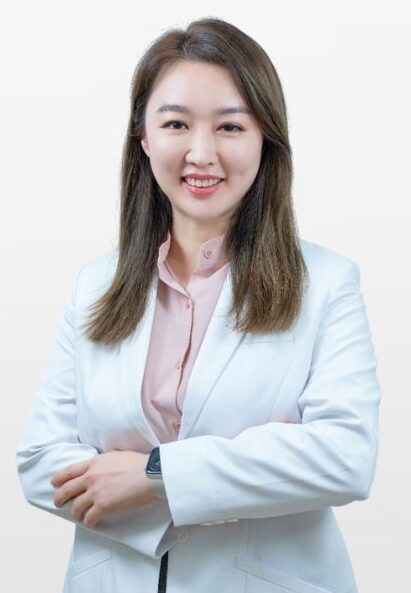
Dr. Alicia Liw is a certified aesthetic doctor with extensive experience in injectables, skin rejuvenation, and non-surgical anti-aging treatments. She is known for achieving natural, elegant results tailored to each patient’s unique features.
Expertise & Special Interests
Botox & Dermal Fillers – precise, natural enhancements
Skin Boosters & Collagen Treatments – improving texture & elasticity
Anti-Aging & Face Lifting – HIFU and minimally invasive procedures
Acne, Pigmentation & Scar Treatments – personalised skin solutions
Credentials & Achievements
Certified in Aesthetic Medicine & Injectables
Awarded Best Signature Periorbital Treatment in Malaysia
Represented Malaysia as the sole recipient of the International Aesthetics Award
Over 10 years of experience treating patients with advanced aesthetic techniques
Real Patients, Real Results
We’ve helped thousands of people
Rated 4.9 Stars In Over 300++ Reviews (Google Reviews).
See what our patients have to say about their personalised treatments and transformations at NextMed.
Expert Answers
You ask, we answer
Frequently Asked Questions
About Regenerative Aesthetics
Find quick answers about treatments, safety, downtime, and results — everything you need to feel confident before your visit.
ESSALIA is a micronized injectable human acellular dermal matrix (ADM) derived from processed human dermal tissue. Its concept differs from conventional hyaluronic acid fillers because it provides a tissue-derived extracellular matrix scaffold.
ADM stands for Acellular Dermal Matrix. It is dermal tissue that has undergone processing to remove cellular components while aiming to preserve important components of the extracellular matrix.
ECM stands for extracellular matrix, the structural environment surrounding cells. In skin, it includes components such as collagen and elastin.
No. ESSALIA is based on human acellular dermal matrix, whereas conventional HA fillers are primarily composed of cross-linked or non-cross-linked hyaluronic acid.
The manufacturer uses a supercritical CO₂-based processing technology as part of its tissue-processing and decellularisation method. It is designed to process the tissue without conventional detergent-based decellularisation while preserving components of the extracellular matrix.
No. Suitability depends on the patient’s anatomy, skin and tissue condition, treatment goals, medical history and other factors. A medical assessment is required.
Patients interested in ESSALIA should undergo a medical consultation to determine whether human ADM or another treatment approach is appropriate for their concerns.
Interested in Regenerative Aesthetics?
Rather than choosing a treatment based only on its name or popularity, start by understanding what your skin and facial tissues actually need.
A medical consultation allows us to assess your skin quality, facial anatomy, volume loss and ageing pattern before recommending an appropriate treatment plan.
Book a Consultation
WhatsApp NextMed Clinic
PJ · Cheras · Setia Alam · Damansara Heights KL
Our Trusted Brands