Low FODMAP Diet in Malaysia: A Practical Guide for IBS
A low FODMAP diet is a structured dietary approach that can help some people with irritable bowel syndrome, or IBS, manage symptoms such as bloating, gas and abdominal pain. FODMAPs are a group of fermentable carbohydrates found in a range of foods. The process starts with a short trial, then uses food reintroduction to find out what you tolerate. The long-term goal is to eat as varied a diet as your symptoms allow.
Table of Contents
Who may benefit from a low FODMAP diet?
Start with an assessment if bloating keeps returning
If you already have IBS, ask a medical professional or a dietitian trained in the approach whether a trial is suitable. If you haven’t been assessed, describe when the bloating happens, whether you have pain and how often your stools change. Seek prompt medical assessment for blood in the stool or unexplained weight loss. Perut buncit atau kembung? NHS
Consider how the trial fits your usual meals
Bring examples of what you eat on workdays and weekends to your dietitian. Tell them how often you buy meals and which dishes you usually share with family. This helps them suggest changes you can follow, such as checking the ingredients in a takeaway soup or using a different seasoning in a favourite home-cooked meal. www.monashfodmap.com
The three phases of a low FODMAP diet
Phase 1. Swap foods for a short trial
The initial phase usually lasts around two to six weeks. You swap selected higher-FODMAP foods for suitable alternatives and monitor symptoms. Keep notes on meal ingredients, approximate portions and bowel changes. If symptoms fail to improve, review the trial with your clinician or dietitian before cutting out additional foods. www.monashfodmap.com
Phase 2. Reintroduce individual FODMAP groups
If symptoms improve, your dietitian can guide you through challenges for individual FODMAP groups. You record what you ate, how much you ate and what happened afterward. Testing in an organised way helps you interpret the results, especially if more than one ingredient in your usual meals could affect symptoms. www.monashfodmap.com
Phase 3. Personalise your long-term diet
Bring back foods and portions you tolerate. You might discover, for example, that your tolerance depends on the serving size or that only certain groups cause symptoms. Apply what you learn to real situations such as family dinners, lunch near work and travel. Review any persistent restrictions with your dietitian so you can maintain enough variety. www.monashfodmap.com
How to adapt Malaysian meals during the trial
Ask about ingredients in soups, gravies and marinades
A clear soup can still contain onion or garlic in the stock. A piece of grilled chicken can come with a marinade prepared in advance. Ask whether the stall can tell you what goes into the dish or serve the gravy separately. If the ingredients are difficult to confirm, use a meal you already discussed with your dietitian as a fallback. www.monashfodmap.com
Use a food list that includes serving sizes
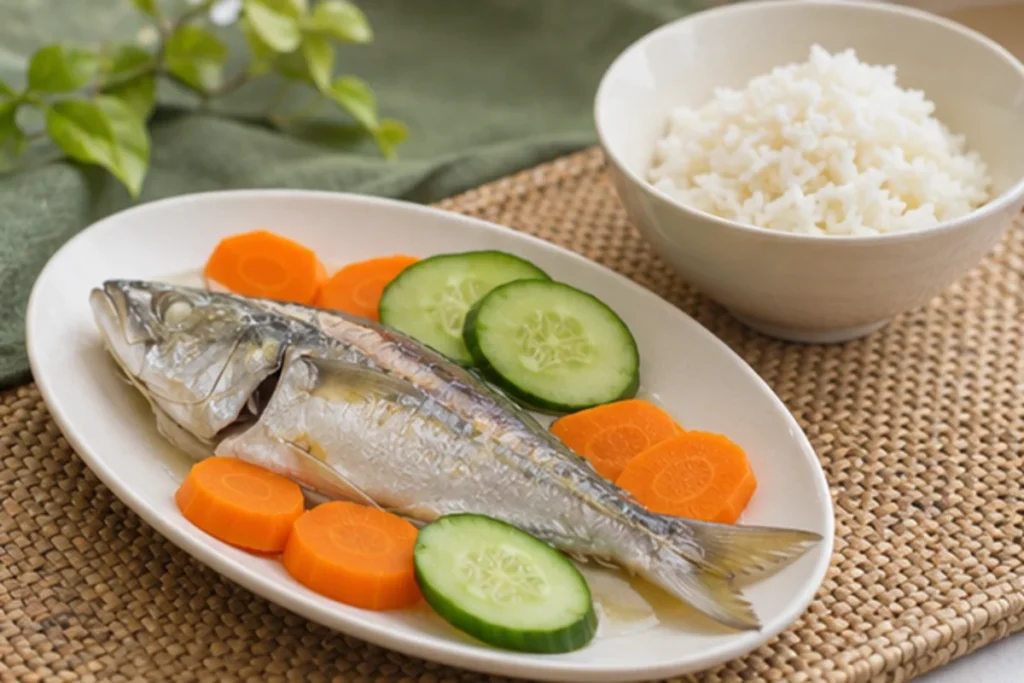
A food’s FODMAP classification can depend on the portion. When looking up vegetables, fruit, dairy or sauces, check the serving size and the specific ingredient or product. At home, plain rice and simply cooked fish or chicken can be practical starting points. Build the rest of the plate using vegetables and seasonings that fit your individual guidance. Monash University’s low FODMAP resources
Frequently asked questions about the low FODMAP diet
Do I need to avoid garlic, onion or other high-FODMAP foods forever?
Long-term choices depend on your reintroduction results. You may be able to bring back foods you tolerate in certain portions. A dietitian can help you interpret your symptoms and avoid unnecessary long-term restriction.
Is a low FODMAP diet a way to lose belly fat?
The diet is designed to help manage IBS symptoms. If your main concern is a gradual increase in waist size, a weight and health assessment is more relevant. If your concern is abdominal fullness that varies with meals or bowel habits, discuss the digestive symptoms with a clinician.

Book Appointment Today
📞 Call us today at Hotline Malaysia: +60 11 3341 0688
Clinic Location:
NextMed Clinic Petaling Jaya
38, Jalan Gasing, Bukit Gasing, 46000 Petaling Jaya, Selangor
NextMed Clinic Cheras
8-G, Jalan Simfoni 1, Menara Simfoni, Cheras Selatan, Balakong, 43300 Seri Kembangan, Selangor
NextMed Clinic Setia Alam
71-G & 73-G Jalan Eco Ardence D U12/36D, 40170 Shah Alam, Selangor
NextMed Clinic Damansara Heights Kuala Lumpur
No. 11G, Plaza Damansara, Jalan Medan Setia 1, 50490 Damansara Heights, Kuala Lumpur
Real Customer Review
Rated 5/5 Stars
Read why customers chose
NextMed Clinic.
Why Choose Us ?
As one of the Leading Aesthetic Clinic in Malaysia, NextMed Clinic provides top-notch procedures by Certified Medical Practitioners. Whatever your concerns, be it enhancing your natural features or reversing the signs of aging, NextMed Clinic is able to deliver a wide range of quality, state of art & personalized aesthetic, general health services & wellness solution, merged with exemplary service, in a warm and pleasent enviroment designed to make you feel completely at ease.
At NextMed Clinic, we strongly believe that each patient is unique. Therefore treatments are customized to each patient’s specific needs.

Certified Doctor
.