
Hyperpigmentation after laser can occur when inflammation is followed by extra pigment, but not every darker appearance after a procedure has the same cause. Temporary surface changes, a healing reaction, an injury or another pigment condition may need consideration. The correct next step is assessment of the actual change, not automatically booking another laser session.
Contact the treating clinic if the colour is unexpected or you are unsure about recovery. Significant pain, blistering, an open wound or a rapidly worsening reaction needs prompt medical advice. A photograph can support the history, but it cannot reliably distinguish all causes of post-procedure darkening.
Key takeaways
| Question | What to know |
|---|---|
| Can laser be followed by PIH? | Yes. Inflammation or injury can lead to pigment changes in susceptible skin. |
| Does all darkening mean PIH? | No. The procedure, timeline and examination matter. |
| Should another session be booked immediately? | No. Clarify the cause and recovery before deciding on more treatment. |
| What helps assessment? | Device or procedure details, photographs and a symptom timeline. |
| What needs prompt care? | Blistering, wounds, significant pain, infection concerns or worsening symptoms. |
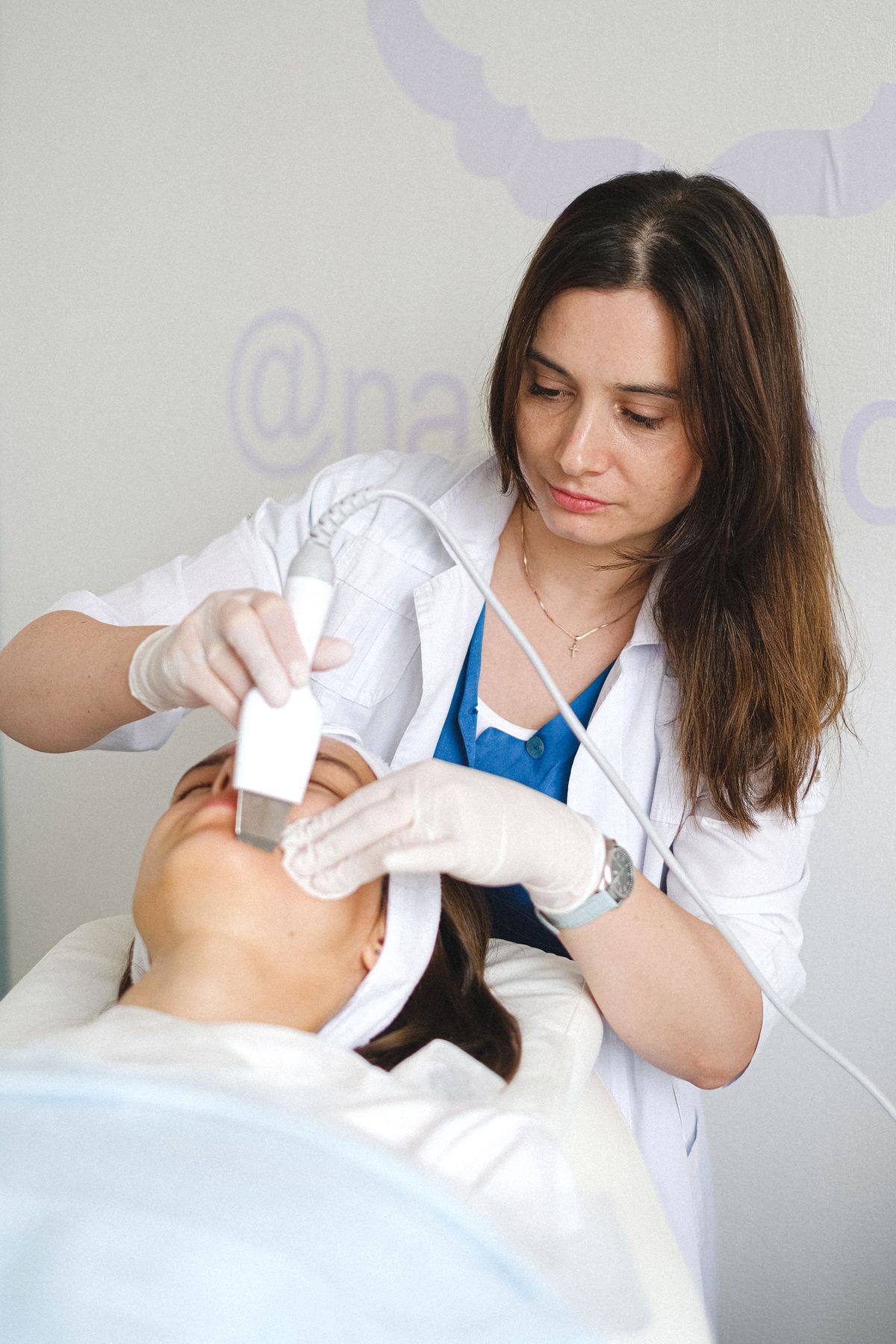
Why might pigment become darker?
DermNet explains that post-inflammatory hyperpigmentation can follow skin injury and that procedures can sometimes aggravate it. This is one possible explanation after treatment, especially when the skin has become inflamed. It does not establish the diagnosis for every brown or dark area.
The clinician needs to know what procedure was performed and why. A treatment intended for a particular lesion, a resurfacing procedure and an energy treatment marketed broadly as a facial are not interchangeable. Try to obtain the exact treatment record rather than relying only on the package name.
Could darkening be part of the expected recovery?
Some procedures can create visible surface changes while the skin heals, but expectations depend on the treatment. Ask the clinic what was expected for your specific procedure and whether your current appearance fits that pattern. A general statement that “darkening is normal” is not enough if symptoms are worsening or the explanation is unclear.
Do not pick or peel a darkened surface to test what lies underneath. Removing healing tissue can create further injury. If you were given wound-care instructions, follow them and contact the clinic about uncertainty rather than replacing them with a routine intended for a different laser.
How does the treatment type affect risk?
DermNet lists post-inflammatory pigmentation among possible complications of fractional laser treatment. That information concerns a particular treatment category. It should not be used to claim identical recovery or complication rates for every laser, light device or skin tone.
Ask which risks apply to the platform and settings used for your concern. A previous uneventful session does not guarantee the next treatment will be identical. Recent exposure, skincare, skin condition and treatment changes are useful details for the clinician to review.
What should you report first?
Describe the timeline clearly: when treatment occurred, when the colour changed and whether it has continued to darken. Separate visible colour from sensations such as burning, tenderness, itching or altered feeling. Mention swelling, discharge, blisters, crusting or an open area rather than reporting only “pigmentation”.
If symptoms are significant, contact the clinic promptly. Do not wait for a planned results appointment to discuss a possible injury. If you cannot obtain timely advice and you are concerned about a burn or infection, seek another appropriate medical assessment.
When should you seek urgent help?
Prompt care is appropriate for blistering, an open wound, severe or increasing pain, rapidly spreading redness, fever or feeling unwell. Eye symptoms after a facial procedure require urgent assessment. Breathing difficulty, marked facial swelling or other severe systemic symptoms need emergency help.
These symptoms should not be managed as routine pigment fading. The aim is to identify a potentially important reaction early, not to diagnose the complication from a list. Tell the medical professional exactly what treatment occurred and what products have been used afterwards.
What information should you bring?
- The procedure date, clinic and exact device or treatment name if known.
- The original diagnosis or concern being treated.
- Before-treatment and recovery photographs in comparable light.
- Written aftercare instructions and whether they were followed.
- Medicines and skincare used before and after the session.
- Any previous pigment reaction, melasma or sensitive-skin history.
- The symptom sequence and whether it is improving or worsening.
It is fine if you do not know the settings. Ask the clinic for the relevant record rather than guessing. A clear account of events is more useful than a technical description copied from the internet.
What should you avoid while waiting for advice?
Do not add an aggressive peel, scrub or unplanned brightening treatment to remove the colour. Avoid testing multiple actives on an uncomfortable area. Follow the treatment-specific instructions and ask before changing prescribed or clinician-directed care. An open or injured area may need different management from intact skin with a flat mark.
AAD dark-spot guidance notes that irritating products can contribute to pigmentation. That supports a careful approach rather than escalating a routine simply because the colour is distressing. If a product causes a significant reaction, tell the clinician what it is and when it was applied.
How does sun protection fit into recovery?
Ask for protection advice appropriate to the state of the skin and the procedure. AAD guidance explains broad-spectrum and relevant visible-light protection for pigmentation concerns. Do not apply an ordinary cosmetic routine over a wound without checking the aftercare plan.
In Malaysia, practical exposure planning may include shade, clothing and changing outdoor activities during recovery. The aim is a workable plan, not a promise that a sunscreen prevents every complication. Tell the clinic if the recommended product stings or cannot be tolerated.
Does darkening mean the treatment failed?
A colour change alone does not answer that question. The clinician needs to distinguish expected recovery, an adverse reaction and persistence of the original condition. The review should explain what is being observed and what the next decision depends on.
It is reasonable to ask for the reasoning in writing. “Wait” should come with an explanation of what to monitor and when to return. “Treat again” should come with a diagnosis, suitability discussion and consideration of alternatives. Neither should be an automatic response based solely on a photograph.

When could further treatment be considered?
That depends on the diagnosis, the condition of the skin and the benefits and risks of the proposed approach. Some situations may call for recovery and observation, others for medical treatment or specialist assessment. Another energy procedure is not necessarily the immediate answer.
Discuss whether the original treatment goal is still appropriate and what can realistically be achieved. If the skin has reacted unexpectedly, informed consent for further treatment should address that history. A discounted corrective package should not replace a clear explanation of the change.
Frequently asked questions
Will the colour definitely fade?
No individual outcome can be guaranteed. The diagnosis, depth and ongoing inflammation matter. Ask how progress will be assessed rather than relying on a fixed clearance date.
Should I rub off dark flakes?
No. Follow the specific aftercare instructions and avoid picking healing skin. Contact the clinic if you are unsure whether the surface change is expected.
Can I use my usual pigmentation cream?
Check with the treating clinician, especially if the skin is sore, broken or recently resurfaced. A product suitable before treatment may not be appropriate at the same stage of recovery.
Can a different laser remove the new pigment?
Possibly relevant options can only be discussed after diagnosis and recovery assessment. Do not assume a different wavelength or a stronger setting is automatically the solution.
Does a darker skin tone mean laser is always unsuitable?
No universal rule can replace assessment. The indication, platform, settings, history and clinician expertise all matter. Ask for an individual risk discussion.
Should I get another opinion?
It is reasonable if the explanation is unclear, symptoms persist or you are uncomfortable with the next step. Seek prompt care rather than waiting when there are signs of injury or significant deterioration.
Clarify the change before treating it
Hyperpigmentation after laser should be assessed in context. Read our guide to facial pigmentation causes and pigmentation assessment overview for background.
A consultation at NextMed Clinic can be used to review the history and appropriate next steps. Suspected injury should receive timely medical attention, wherever the original procedure was performed.
This article provides general information and cannot diagnose a skin condition or replace personalised medical advice. Treatment suitability and outcomes vary.