
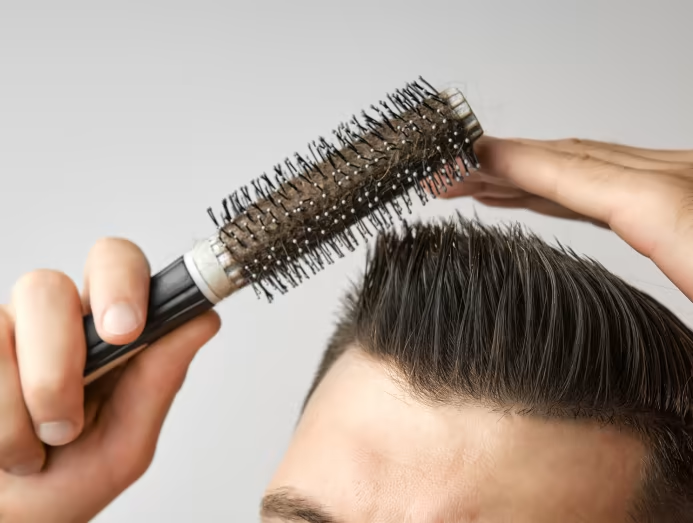
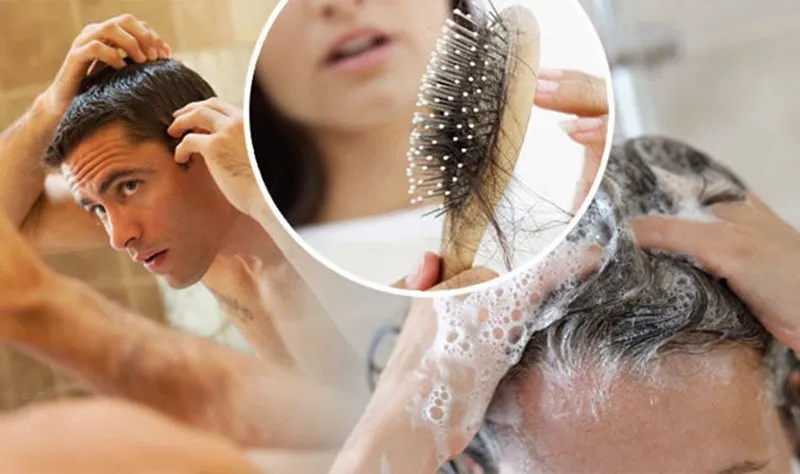

Tinea Capitis (Scalp Ringworm) and Hair Loss
Tinea capitis, commonly referred to as scalp ringworm, is a fungal infection that affects the scalp and hair shafts. This condition can cause significant discomfort and lead to hair loss if left untreated. Understanding its causes and treatment options is essential for preventing long-term damage.
Table of Contents
What Is Tinea Capitis?
Tinea capitis is caused by dermatophyte fungi such as Trichophyton and Microsporum. These fungi thrive in warm, moist environments and can spread through:
- Direct Contact: With an infected person or animal.
- Contaminated Objects: Sharing combs, hats, or bedding.
Symptoms of Tinea Capitis
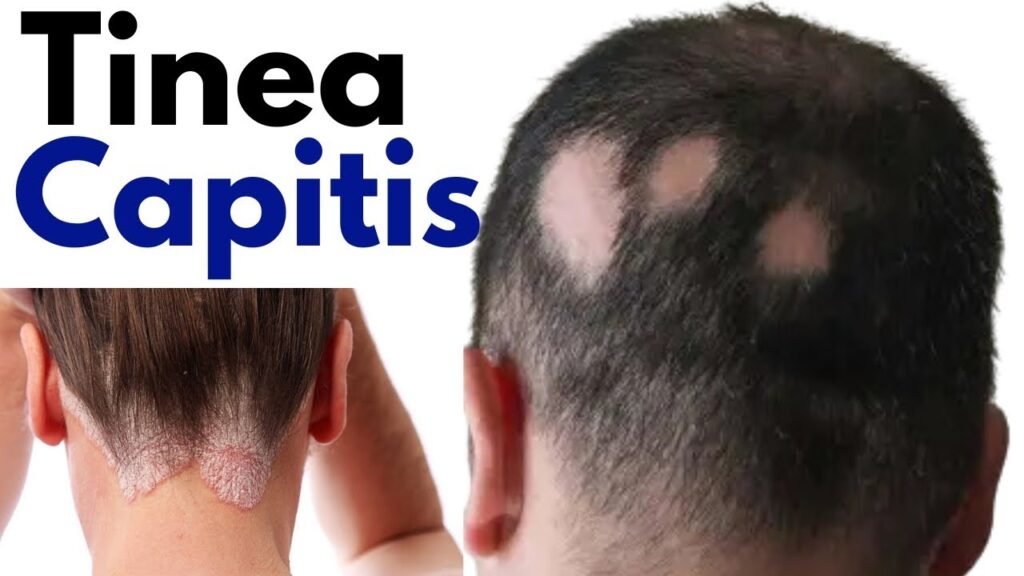
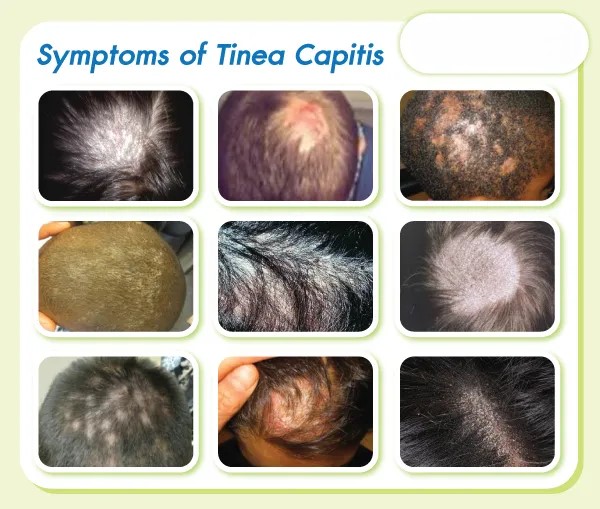
- Scaly patches on the scalp.
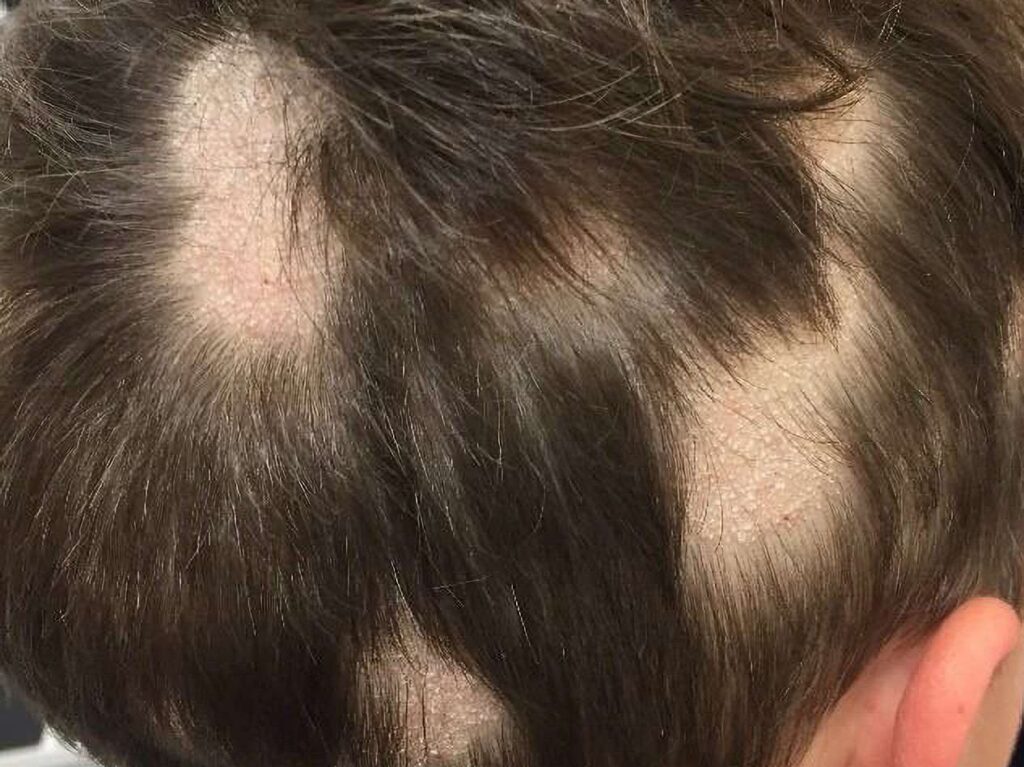
- Broken hair strands, leading to bald spots.
- Itching, redness, and swelling.
- In severe cases, painful kerion (inflamed, pus-filled lesions).
How Tinea Capitis Causes Hair Loss
The infection weakens hair shafts, causing them to break at the surface, leading to bald spots. If left untreated, chronic inflammation can damage hair follicles, resulting in permanent hair loss.
Treatment Options
1. Oral Antifungals:
Medications like griseofulvin or terbinafine effectively treat scalp ringworm.
2. Antifungal Shampoos:
Contain ketoconazole or selenium sulfide to reduce fungal load and prevent spread.
3. Avoid Sharing Personal Items:
Prevent reinfection by disinfecting combs and bedding.
Preventing Tinea Capitis
- Practice good scalp hygiene.
- Avoid sharing hair accessories.
- Seek veterinary care for pets showing signs of fungal infections.
Early diagnosis is crucial. If you or your child experience hair loss accompanied by scaly patches or itching, consult a dermatologist.
Conclusion
Tinea capitis is treatable with proper care. Acting quickly can prevent permanent hair loss and restore scalp health.

HIFU Side Effects: Expected Reactions and Warning Signs Requiring Review
HIFU side effects range from temporary reactions to complications needing review. Learn what to report, how to contact the clinic and when to seek urgent care.

A Dark Spot Is Changing: When to Seek Medical Assessment Before Cosmetic Treatment
A changing dark spot on skin should be assessed before cosmetic treatment. Learn which changes to report, how to prepare and why photographs cannot diagnose it.

Acne Not Improving After 8–12 Weeks? What Your Doctor May Review
Acne treatment not working after 8–12 weeks? Learn what a review may cover, from diagnosis and actual use to tolerability, scarring and the next plan.
HIFU Aftercare: Skincare, Exercise and Returning to Your Routine
HIFU aftercare should fit your treatment and symptoms. Learn what to ask about skincare, exercise, other procedures and warning signs requiring review.

Pigmentation Getting Darker After Laser: What Needs Assessment?
Hyperpigmentation after laser needs a clear assessment. Learn what to record, which symptoms need prompt care and why more treatment is not the first step.

Acne Treatment Making Your Skin Dry or Peeling? Caring for Your Skin Barrier
Dry skin from acne treatment can affect comfort and consistency. Learn what to record, how supporting skincare helps and when to contact your prescriber.

Why Choose Us ?
As one of the Leading Aesthetic Clinic in Malaysia, NextMed Clinic provides top-notch procedures by Certified Medical Practitioners. Whatever your concerns, be it enhancing your natural features or reversing the signs of aging, NextMed Clinic is able to deliver a wide range of quality, state of art & personalized aesthetic, general health services & wellness solution, merged with exemplary service, in a warm and pleasent enviroment designed to make you feel completely at ease.
At NextMed Clinic, we strongly believe that each patient is unique. Therefore treatments are customized to each patient’s specific needs.
Certified Doctor
.