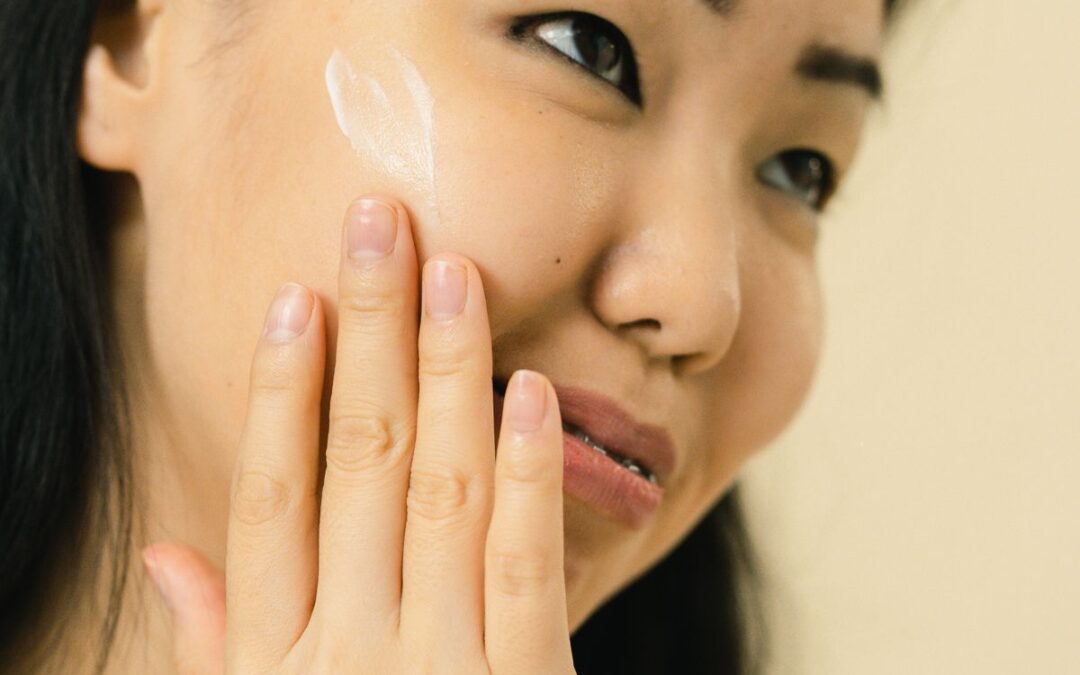
HIFU aftercare should follow the instructions for the exact treatment you received and account for how your skin feels. Many people resume ordinary activities without an extended recovery, but that does not mean every person needs the same routine or that adverse effects are impossible.
Before leaving the clinic, clarify what to use on the skin, when to resume demanding activities and how to report unexpected symptoms. Avoid replacing that advice with a generic internet list of restrictions, especially if you had another procedure at the same appointment.
Key takeaways
| Question | What to know |
|---|---|
| Whose instructions should guide care? | The treating clinician and the device-specific plan for your procedure. |
| Is no downtime the same as no reactions? | No. Tenderness and other reactions may still occur. |
| Are fixed exercise bans universal? | No. Advice depends on symptoms, treatment details and individual factors. |
| What should skincare aim for? | Comfortable, gentle care compatible with the clinical instructions. |
| What needs prompt review? | Burns, new weakness, significant pain or worsening sensory symptoms. |
Why aftercare advice can differ
HIFU is a broad marketing term for treatments that are not identical. Devices, treatment areas and combinations vary. A systematic review of microfocused ultrasound describes variation in study protocols and reactions. It cannot provide one recovery timetable for every platform or person.
A clinic’s advice should explain the treatment you actually had. If instructions conflict with something you have read elsewhere, ask why rather than combining both lists. When procedures were combined, the more relevant aftercare may relate to the other treatment as well as the ultrasound session.
What should you receive before leaving?
- The device and areas treated, with the procedure date.
- A realistic description of expected reactions and their course.
- Skincare instructions suitable for the state of your skin.
- Advice about work, exercise and any medication used.
- A contact route for concerns, including outside normal opening hours.
- A follow-up plan and reasons to seek help sooner.
- Guidance on other planned aesthetic or medical procedures.
Ask for clarification while you are still at the clinic. You should not need to remember an unfamiliar technical explanation. Written instructions can help, especially if anxiety or discomfort makes it difficult to take everything in during the appointment.
What reactions may be discussed?
Published ultrasound studies describe reactions such as temporary redness, swelling or tenderness, along with less common complications. A meta-analysis of microfocused ultrasound with visualisation reviews tolerability and safety outcomes. Those findings do not mean every symptom can safely be watched at home.
The pattern matters: improving mild tenderness is different from escalating pain or a new movement change. Ask the clinic what should be reported rather than trying to match your symptoms to a reassuring photograph online. Significant concerns should be assessed even if an appointment for cosmetic results is several weeks away.
How should you cleanse and moisturise?
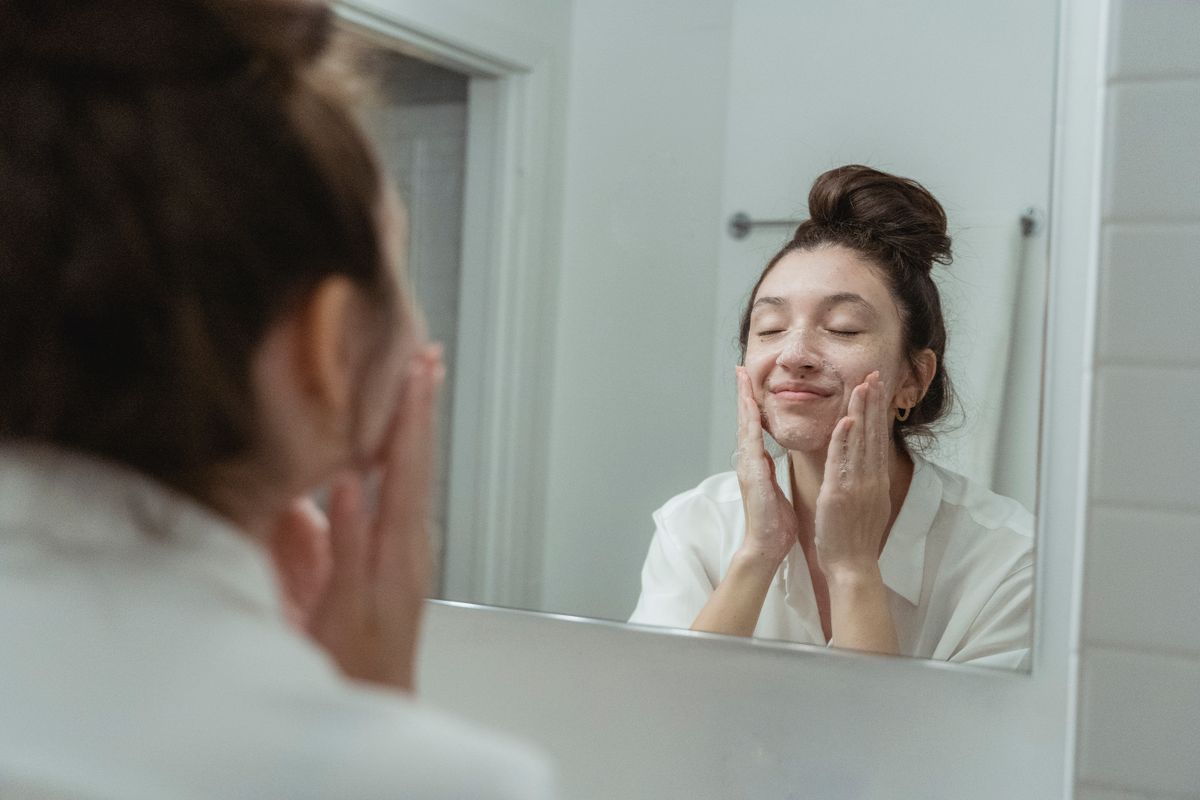
Use the gentle, compatible routine recommended for your treatment. If the skin feels tender, avoid unnecessary rubbing or abrasive tools. Do not assume that vigorous massage, exfoliation or a new “collagen activating” product improves the result. Ask before introducing something unfamiliar.
If ordinary cleansing or moisturising causes persistent pain, tell the clinic. The answer should not simply be to tolerate it because the skin has been treated. A rash, wound or significant reaction may need assessment and different care from intact skin with mild temporary tenderness.
When can you restart acids or retinoids?
There is no single restart day that applies to every product and procedure. The ingredient, current skin condition and other treatments matter. Ask for advice about your actual products, including prescription medicines. Do not change prescribed treatment solely because a generic aftercare blog gives a different schedule.
Bring a product list before the procedure when possible. A clinician can then identify steps that may need coordination. If you were not given an answer, contact the clinic instead of restarting every active ingredient together and making a reaction harder to interpret.

What about sunscreen and makeup?
Discuss a comfortable protection routine appropriate to your skin. Outdoor walking, commuting and exercise can create exposure in Malaysia even on a busy indoor workday. Shade and suitable clothing can support the plan; no sunscreen should be presented as a guarantee against all reactions.
Ask how makeup fits into your instructions, especially if you have irritation or had another procedure. Use the condition of the skin and clinical advice rather than an assumption that all non-surgical treatments permit identical same-day cosmetic care. Gentle removal is part of the discussion too.
When can you exercise?
Ask about the intensity and type of activity you plan to do. A short walk and a demanding workout are different situations, as are heat, sweating and equipment rubbing a tender area. Your clinician can advise according to the treatment and symptoms rather than an arbitrary universal ban.
If activity increases discomfort or you have an unexpected reaction, seek advice. Do not use exercise as a test of whether recovery is complete. Equally, do not assume prolonged inactivity is required without a reason. Clear instructions should make normal planning easier.
What about heat, alcohol and food restrictions?
Online lists often group many restrictions together without explaining their evidence. Ask the clinic which recommendations are relevant and why. Medication used for comfort, an existing condition or a combined procedure may affect advice independently of the ultrasound treatment.
Do not replace an individual instruction with a general statement that a restriction is unnecessary. The useful approach is to clarify the rationale. Avoid buying supplements or adopting a special diet on the promise that it will guarantee collagen production or protect against every adverse effect.
Can you massage or use a facial device?
Ask before using an at-home energy device, strong massage tool or another treatment on the same area. A new intervention can make it harder to identify the cause of a symptom. More stimulation is not automatically helpful after a procedure.
Tell the clinician about planned facials, injectables, dental procedures or other appointments that may be relevant to the treated area. Do not use a universal spacing chart when the exact products, locations and devices are unknown. Coordination is more useful than stacking treatments quickly.
When should you contact the clinic?
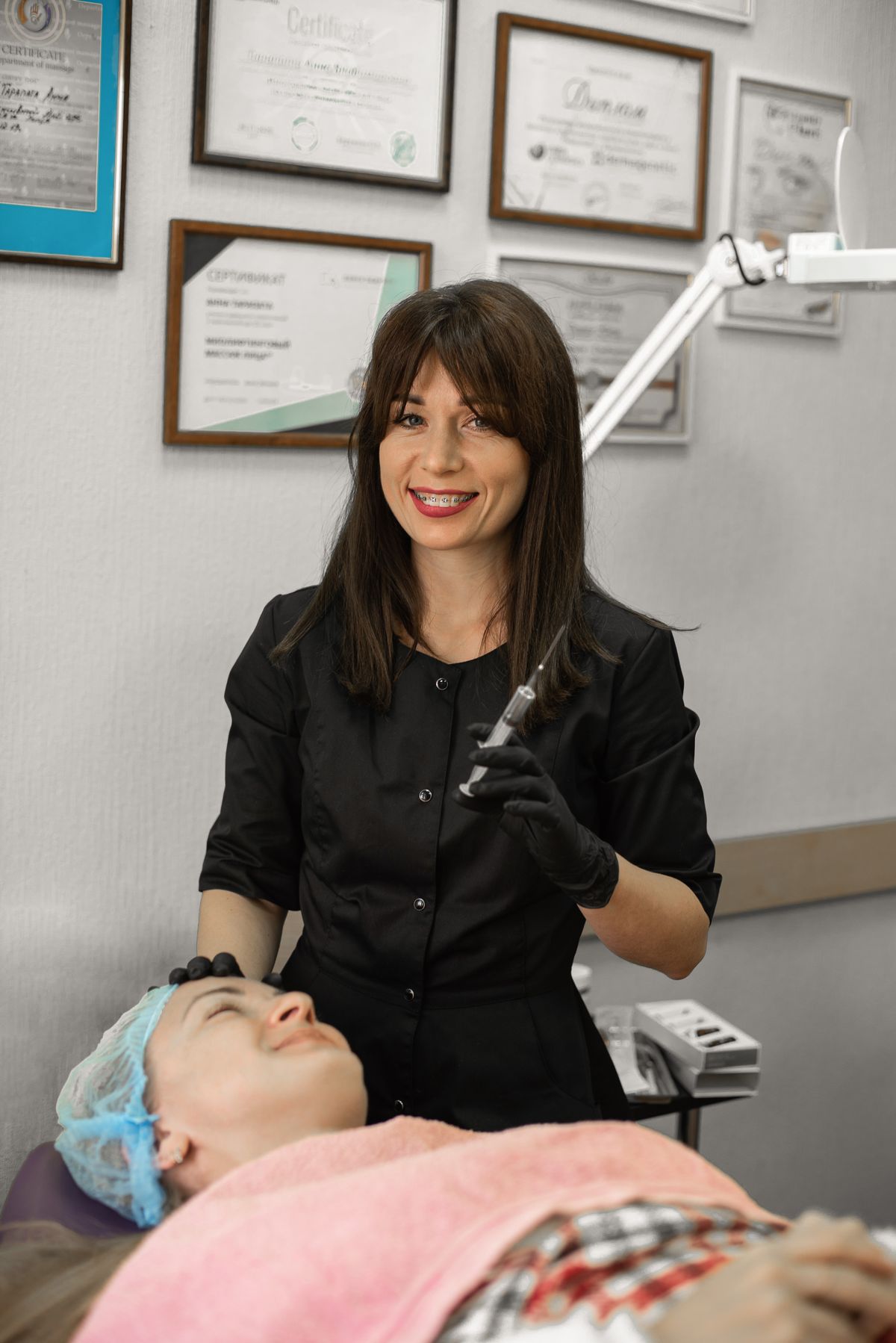
A safety consensus discusses skin injury, sensory changes and movement-related complications after ultrasound-based treatment. Report a burn, blister, new weakness, significant or worsening pain, or concerning altered sensation promptly. A photograph alone may not capture a functional change.
If there are sudden serious neurological symptoms, breathing difficulty or other severe systemic symptoms, seek emergency care. If the treating clinic is unavailable and you are concerned about an injury, obtain timely medical assessment elsewhere. Aftercare should include a practical route to help.
How should you judge the result?
Follow the agreed review plan and use comparable photographs. An immediate change in appearance may be affected by temporary reactions, lighting or expression. Clinical ultrasound research includes follow-up measurements rather than relying only on treatment-day appearance. That supports evaluating change over time, without promising a particular timeline or outcome.
Record symptoms as well as appearance. A good review should address comfort and safety, not only whether the jawline looks different. Do not arrange an extra session to correct an early disappointment before the clinician has assessed the response.
Frequently asked questions
Can I return to work the same day?
Ask according to the job, treatment, reaction and any medication used. A desk-based day and outdoor physical work may create different practical considerations.
Is a week without exercise always required?
No universal timetable applies to every person. Ask for advice about your activity and symptoms, and clarify the reason for any restriction you are given.
Should I take collagen supplements?
Do not assume a supplement is necessary or guarantees a result. Discuss any product you plan to take, especially if it interacts with medicines or adds unnecessary cost.
Can I have another facial treatment soon afterwards?
Coordinate with the treating clinician using the exact treatment details. Timing depends on the procedures and skin response rather than a general online schedule.
What if my skin feels worse rather than better?
Contact the clinic with the timeline and symptoms. Worsening pain, a visible injury or new movement change should not wait for a routine results appointment.
Leave with a usable plan
HIFU aftercare should help you return to your routine while recognising when review is needed. Read our first-session guide and HIFU treatment overview for context.
At NextMed Clinic, ask for treatment-specific instructions and a clear follow-up route before leaving the appointment.
This article provides general information and cannot diagnose a skin condition or replace personalised medical advice. Treatment suitability and outcomes vary.