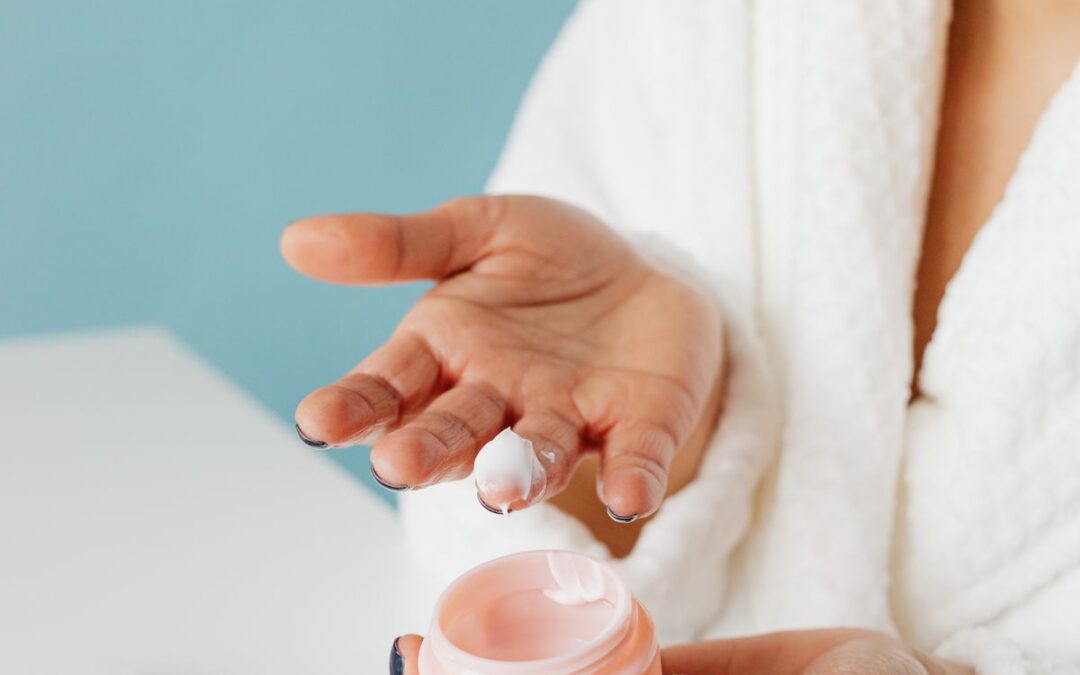
Dry skin from acne treatment can make cleansing, moisturising and normal product use uncomfortable. Some acne medicines can cause dryness or peeling, but discomfort should not be treated as the goal of therapy. A useful routine needs to control acne and remain tolerable enough to follow.
If the skin is persistently sore, burning or cracking, review the whole routine with your prescriber. The answer is not necessarily to abandon acne care or add a long list of “barrier repair” products. First clarify what is causing the reaction and whether the current plan needs adjustment.
Key takeaways
| Question | What to know |
|---|---|
| Is peeling proof that treatment works? | No. Irritation is not a measure of success. |
| Can oily skin need moisturiser? | Yes. Oiliness and treatment-related dryness can coexist. |
| What should be reviewed? | Medicines, cleansers, acids, cosmetics and recent procedures. |
| Should prescriptions be changed alone? | Discuss significant irritation and changes with the prescriber. |
| What needs urgent care? | Severe swelling, breathing difficulty or a serious rapidly worsening reaction. |
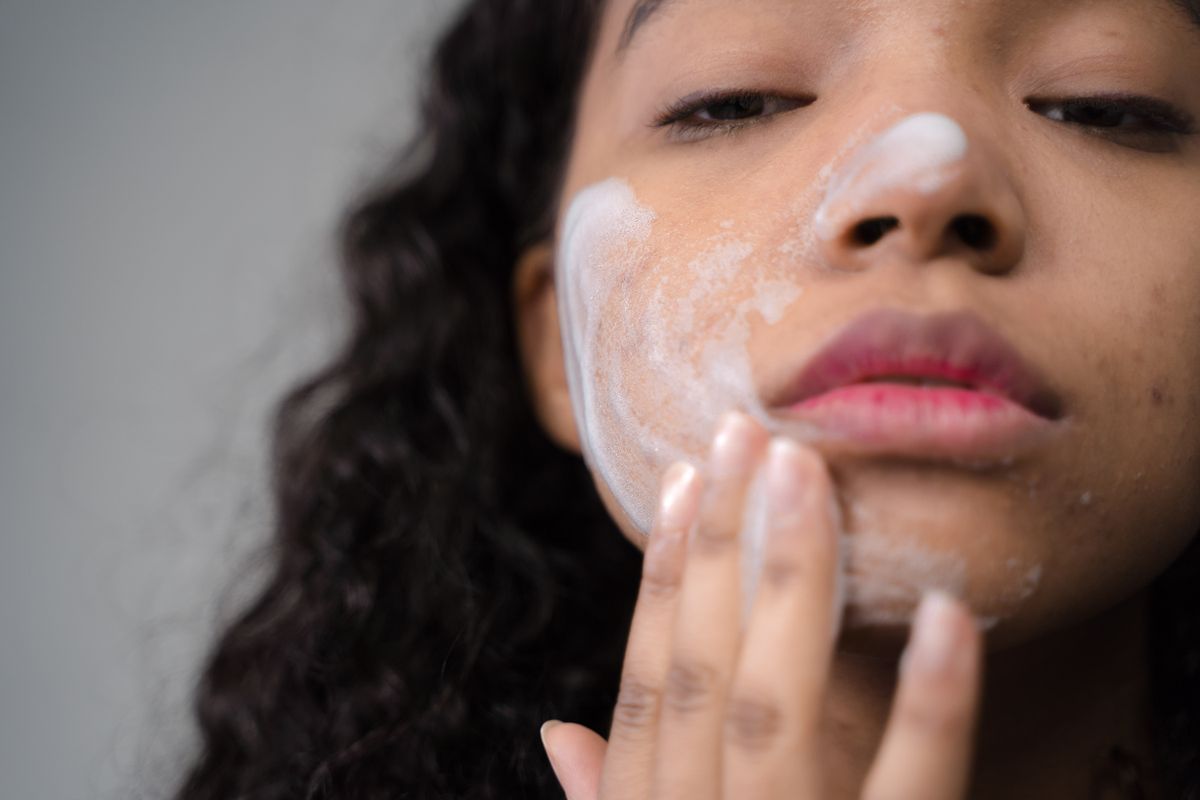
Why can acne treatment cause dryness?
Different acne medicines affect the skin in different ways. DermNet lists dryness, peeling and irritant reactions among possible effects of topical retinoids. A reaction should be considered in relation to the exact medicine and how it is used, not simply labelled “purging”.
The rest of the routine can contribute too. A strong cleanser, an exfoliating toner and a prescription may overlap in ways that are not obvious from their marketing names. Write down each ingredient and when it is applied. Include occasional products, such as a weekly peel, rather than only the daily steps.
What do people mean by a damaged skin barrier?
“Skin barrier” is commonly used to describe the skin’s protective function. In everyday skincare discussion, it can become a catch-all label for stinging, tightness or peeling. Those symptoms are useful to report, but they do not establish a diagnosis or identify which product is responsible.
Irritant dermatitis, allergy, eczema and other conditions may need consideration. A clinician will interpret the symptoms with examination and history. Avoid buying several repair serums before checking whether an active medicine, fragrance or recent procedure is contributing to the problem.
How can you describe the reaction?
Separate sensation from appearance. Does the skin feel tight, itchy, hot or painful? Is there fine flaking, a defined rash, swelling or cracking? Does moisturiser sting immediately, or is the discomfort mainly after applying the acne medicine? These distinctions help the consultation.
Also explain location and timing. Irritation around the mouth may be different from a new widespread rash. A reaction after a dose change is useful context, but does not prove causation on its own. If symptoms are severe or progressing quickly, seek advice promptly rather than waiting to complete a diary.
Can moisturiser help?
AAD guidance explains that an appropriate moisturiser can help patients tolerate drying acne medicines. Moisturiser is supporting care, not a substitute for diagnosing a significant reaction. Ask which type fits your skin and how it should be used alongside the treatment.
Choose based on comfort and compatibility rather than the number of ingredients advertised. A product can be too irritating for your current skin even if it is popular or described as gentle. If every supporting product stings, tell the clinician; do not keep layering more products over painful skin.
Does oily skin still need support?
A shiny appearance does not mean the skin cannot also feel dry or irritated. Avoid deciding that moisturiser is forbidden simply because acne is present. Equally, not every rich cream will suit every person. The goal is a practical routine that supports the prescribed treatment without creating new problems.
Explain what has happened with previous moisturisers: increased discomfort, a greasy feel or difficulty applying sunscreen are different issues. A specific description makes it easier to adjust the routine. “Moisturiser does not work for me” leaves out the information needed to find a better option.
Which steps might be making the routine harder?
- Using several exfoliating products together.
- Applying more medicine than directed.
- Scrubbing or brushing away flakes.
- Adding fragranced or alcohol-heavy products that sting.
- Frequent product changes that make reactions hard to trace.
- Recent peels, lasers or other procedures not mentioned to the prescriber.
- Using someone else’s prescription or an unlabelled cream.
These are points for review, not proof that one step caused your symptoms. Bring the products or clear photographs of their labels. If you have been using the medicine differently from the instructions, say so without embarrassment. The plan must fit what is actually happening.
Should you reduce the frequency or stop treatment?
The appropriate advice depends on the medicine and severity of the reaction. Contact the prescriber about significant irritation and ask what to do before the next application. Do not make repeated changes to a prescription based on social-media routines. Severe reactions require urgent medical assessment rather than continued application while waiting for a routine reply.
DermNet discusses irritation and formulation differences in topical acne therapy. A clinician may consider changes to the product or regimen, but that should be personalised. Ask for written instructions so you know which steps are essential, which are optional and when the response will be reviewed.
How should you cleanse peeling skin?
Use the gentle approach recommended for your situation and avoid mechanical removal of flakes. Scrubbing until the skin feels smooth may increase soreness. Patting dry and choosing comfortable supporting care can be easier to tolerate than repeated washing or vigorous rubbing.
If a product burns or leaves the skin painful, record it and seek advice. A squeaky-clean feeling is not a useful treatment target. Also consider the temperature of the water and how long you spend cleansing; the overall experience matters more than whether the bottle says “acne control”.
What about sunscreen and makeup?
Sun protection remains part of routine care, but the formulation needs to be tolerable. Ask for help if sunscreen repeatedly stings. In Malaysia, exposure can occur during ordinary outdoor activities, so a workable protection plan is more useful than one that requires products you cannot comfortably use.
If makeup is needed for work or an event, discuss comfortable application and removal. Avoid treating peeling as a problem to solve with repeated exfoliation just before the occasion. It may be better to simplify or postpone an optional cosmetic step while the reaction is assessed.

When does dryness need earlier assessment?
Seek advice for persistent pain, marked swelling, extensive rash, cracks, weeping or symptoms that interfere with sleep and normal washing. Fever, rapidly spreading redness or a suspected infection needs prompt care. Breathing difficulty or swelling of the lips or tongue requires emergency help.
NHS benzoyl peroxide information describes irritation and serious allergic symptoms that require medical attention. Do not assume every reaction is the same as the mild dryness listed on a leaflet. The severity and progression matter, and a clinician may need to assess more than acne.
Frequently asked questions
Should I exfoliate peeling skin?
Do not assume extra exfoliation will help. It can make an already uncomfortable routine harder to tolerate. Ask whether any exfoliant is needed while your treatment-related symptoms are being reviewed.
Does dryness mean I chose the wrong medicine?
Not necessarily. The product, formulation, frequency and supporting care may all matter. A review can help determine whether adjustment is appropriate or another diagnosis needs consideration.
Can I use a steroid cream to calm it?
Do not add a steroid to acne-prone facial skin without medical advice. The cause and location of the reaction need assessment, and an unplanned treatment can complicate the picture.
Is it purging if my skin is red and peeling?
Those symptoms do not confirm purging. Describe discomfort, timing and the products involved. Acne and irritation can coexist, so new spots do not rule out a tolerability problem.
How long should I wait for improvement?
Ask the prescriber for a review plan appropriate to the reaction. Do not wait through severe or worsening symptoms because a general internet timetable says the skin will adjust.
What if acne returns when I use the medicine less?
Discuss control and tolerability together rather than cycling between overuse and stopping. Our guide to recurring acne offers context for a maintenance discussion.
Comfort supports consistency
Dry skin from acne treatment deserves a practical review of the entire routine. Explore acne treatment assessment for a wider view of care. Bring your products and symptoms to NextMed Clinic so the consultation can address both acne control and skin comfort.
This article provides general information and cannot diagnose a skin condition or replace personalised medical advice. Treatment suitability and outcomes vary.