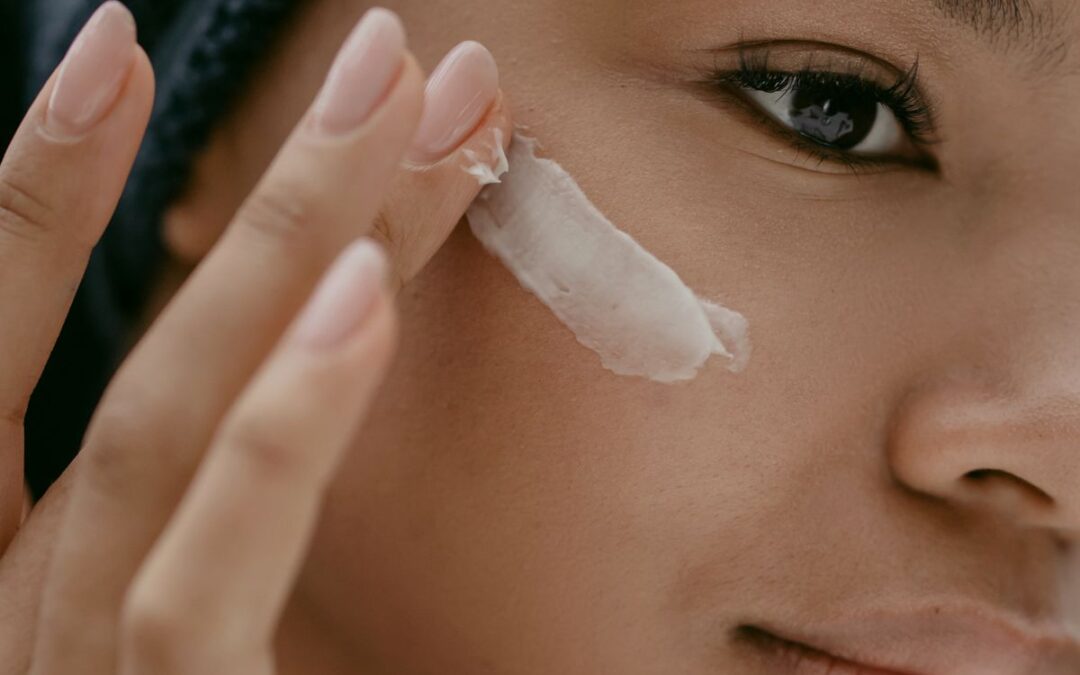
Red and brown marks after acne can look similar in photographs, but they do not necessarily represent the same skin change. PIE vs PIH describes a useful distinction: post-inflammatory erythema relates to residual redness, while post-inflammatory hyperpigmentation refers to extra pigment after inflammation. Either can occur alongside active acne or a change in skin texture.
The practical question is not simply which label fits a colour. It is whether you have ongoing inflammation, a flat residual mark, a scar or a combination. That distinction helps explain why a treatment intended for brown pigment may not address persistent redness, and why a colour-focused product cannot fill an indented scar.
Key takeaways
| Question | What to know |
|---|---|
| PIE | A residual pink, red or sometimes purple appearance associated with inflammation and vascular changes. |
| PIH | A brown, dark or greyish mark caused by pigment following inflammation. |
| A texture scar | A depression or raised change, rather than colour alone. |
| Can they coexist? | Yes. Several changes can be present in the same area. |
| The first priority | Assess active acne and avoid creating new inflammation. |
What is post-inflammatory erythema?
Post-inflammatory erythema is persistent redness after an inflammatory lesion has settled. It is often discussed after acne, but not every red mark is PIE. An inflamed spot that is still tender, a rash or another skin condition can also appear red. A doctor considers the history, symptoms and examination rather than identifying the diagnosis from hue alone.
DermNet describes post-acne erythema as a colour change associated with small-vessel and healing changes. Its visibility varies with lighting and skin tone. Pink may be obvious on one person, while a dusky or purple appearance may be more noticeable on another. The term should not be treated as a rule that redness only occurs in lighter skin.
What is post-inflammatory hyperpigmentation?
PIH develops when inflammation or injury leads to excess pigment in the affected skin. It can follow acne, but also eczema, an insect bite or an irritating procedure. A brown mark left where a pimple healed is a familiar example. Pigment can appear different depending on its depth and the person’s natural skin tone.
DermNet explains that PIH follows inflammation and may become darker with sun exposure. It can affect anyone, although it often persists longer or appears more pronounced in darker skin tones. A history of repeated picking or irritation is useful information to share during a consultation.
How do PIE and PIH differ from acne scars?
A flat mark and a texture scar are different concerns, even though everyday language calls both “acne scars”. A flat area may have a different colour while the skin surface remains level. A scar can create a hollow, a broad depression or a raised area. Some scars also have red or brown colour around them.
Try describing two features separately: colour and contour. For example, “there is a brown mark and a small depression” tells the doctor more than “pigmentation”. Look in ordinary daylight rather than judging only under strong side-lighting or a phone filter. Neither method replaces examination, but careful description can make your consultation more useful.
A comparison without self-diagnosis
| Question | What to know |
|---|---|
| Predominantly red or pink, flat mark | PIE is one possibility; active inflammation and other causes still need consideration. |
| Predominantly brown or grey, flat mark | PIH is one possibility; other pigment conditions can resemble it. |
| Visible indentation or raised tissue | A texture scar may be present, with or without residual colour. |
| Tenderness, new swelling or a changing lesion | Do not assume this is an old acne mark; arrange assessment. |
A pressure or “blanching” test seen online is not enough to establish PIE. Mixed lesions, deeper colour and surrounding inflammation can make interpretation difficult. Do not press or repeatedly manipulate healing skin in an attempt to obtain a diagnosis.
Why can marks keep appearing?
If new acne continues, new marks may form while older ones slowly improve. That can make a useful routine seem ineffective because the overall number of visible marks does not change much. Separating new lesions from old marks helps you and your doctor see whether acne control or residual colour is the main issue.
Repeatedly changing products can also confuse progress tracking. A routine aimed at fading pigment may be too irritating for a person who still has sensitive, inflamed skin. AAD guidance on dark spots emphasises addressing the underlying cause and avoiding irritating skincare. A plan that protects the skin is usually more useful than chasing a stronger product each week.
What can an assessment clarify?
The clinician may ask when acne started, whether it remains active, which treatments have been tried and whether the marks appeared after a procedure. They may examine both colour and texture, compare different areas and discuss what matters most to you. A visible mark that is changing, bleeding or behaving unlike your usual acne marks should be identified separately.
Bring a simple list of products and previous procedures. If treatment abroad or an online purchase was involved, include the name and dates if you know them. Be honest about uncertainty: an unlabelled cream cannot be assessed properly from the words “brightening cream” alone. Mention pregnancy or pregnancy planning before treatment choices are discussed.
How might treatment approaches differ?
When ongoing acne is the main issue
The plan may need to reduce the source of new inflammation before concentrating on old marks. AAD acne-treatment guidance includes options selected according to the type and severity of acne. The appropriate approach is individual; a person with occasional blocked pores and someone with deep painful lesions may need different care.
When brown pigment is the main issue
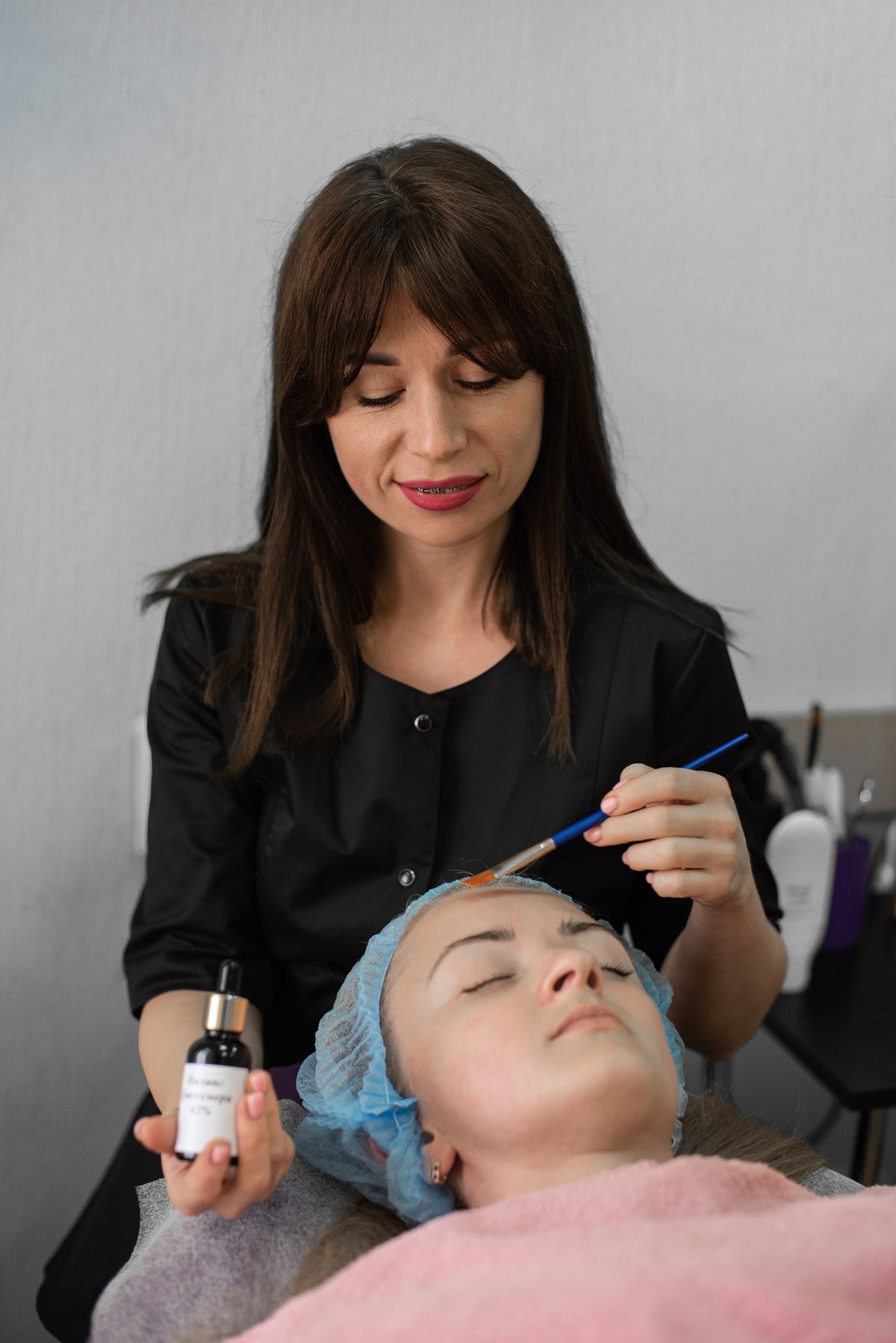
A clinician may discuss suitable topical care, sun protection or selected procedures depending on the diagnosis and skin response. This does not mean every PIH mark needs laser treatment. Procedures that irritate the skin can themselves produce or worsen pigment, so the benefits, risks and alternatives should be considered together.
When persistent redness or texture is the main issue
A separate assessment may be needed rather than repeatedly using products intended to reduce pigment. The treatment discussion should name the actual target. Do not assume that any laser, peel or injectable has the same purpose, or that an advertised “scar package” addresses all kinds of post-acne changes.
Daily care while you monitor progress
Keep cleansing gentle and avoid picking. Use a moisturiser and sun protection that suit your skin rather than building a long routine around the colour of each mark. If a product makes the skin persistently sting or peel, discuss it before escalating. Comfort and consistency are useful things to track alongside appearance.
Take photographs at reasonable intervals in the same place, with similar lighting and camera settings. Note which marks are old and which followed a recent breakout. Resist comparing a close-up photograph in harsh light with a filtered image taken on a different day. That comparison can make small normal variations look like deterioration.
How long will the colour last?
Colour changes can improve gradually, but there is no single fading time that applies to every person. Depth of pigment, recurring inflammation, sun exposure and treatment tolerance all affect the discussion. A promised clearance date should not be the main reason to choose a treatment. Ask how progress will be reviewed and what would justify changing the plan.
Persistent marks deserve reassessment when they are not behaving as expected. That does not automatically mean a stronger procedure is needed. The next useful step may be confirming the diagnosis, simplifying the routine or improving control of active acne. A review should explain the reasoning in terms you understand.
Frequently asked questions
Can I have PIE and PIH together?
Yes. A mixed red-brown mark can occur, and colour changes may sit over a texture scar. This is one reason a photograph or a colour chart is not sufficient to choose treatment.
Are flat brown marks permanent scars?
Not necessarily. A colour change is different from permanent alteration of the skin’s contour. Some marks can persist, but calling them scars does not establish what treatment they need.
Will pigment skincare remove redness?
A product selected for excess pigment should not be expected to solve every red mark. If redness is the main concern, ask whether the diagnosis and treatment target have been confirmed.
Should I have a peel before an important event?
A time-limited event is not a substitute for a suitability assessment. Ask about irritation, pigment risk, recovery and whether waiting is preferable. Do not assume a last-minute procedure has predictable results.
When should I seek help earlier?
Seek assessment for a changing or bleeding lesion, signs of infection, worsening pain or a significant reaction after treatment. These should not be managed as routine old acne marks.
Choose care based on the concern
The useful distinction in PIE vs PIH is that colour changes have different causes and can coexist with scars. For an overview of the assessment options, visit our skin pigmentation treatment page. Our guide to causes of facial pigmentation provides wider context.
If new breakouts remain active, acne treatment assessment may also be relevant. A consultation at NextMed Clinic can help separate the concerns before deciding on a plan.
This article provides general information and cannot diagnose a skin condition or replace personalised medical advice. Treatment suitability and outcomes vary.