
Back and chest acne may need a different practical approach from facial acne because the area is larger, clothing can rub against it and treatment can be difficult to apply consistently. Just as importantly, not every acne-like body breakout is acne. Folliculitis and other conditions can look similar and need a different assessment.
Scrubbing harder or covering a larger area with facial skincare is not necessarily the answer. Start by identifying the pattern, symptoms and treatment history. A manageable plan should address both the condition and the everyday barriers that make body care difficult.
Key takeaways
| Question | What to know |
|---|---|
| Is every body bump acne? | No. Acne-like folliculitis and other conditions can resemble it. |
| What makes body care different? | Reach, treatment area, clothing, sweating and formulation can affect consistency. |
| Is scrubbing helpful? | Harsh friction can irritate already inflamed skin. |
| When is review important? | Deep, painful, widespread, scarring or persistent lesions deserve assessment. |
| What should you track? | New lesions, symptoms, product use and marks left after healing. |
How does body acne present?
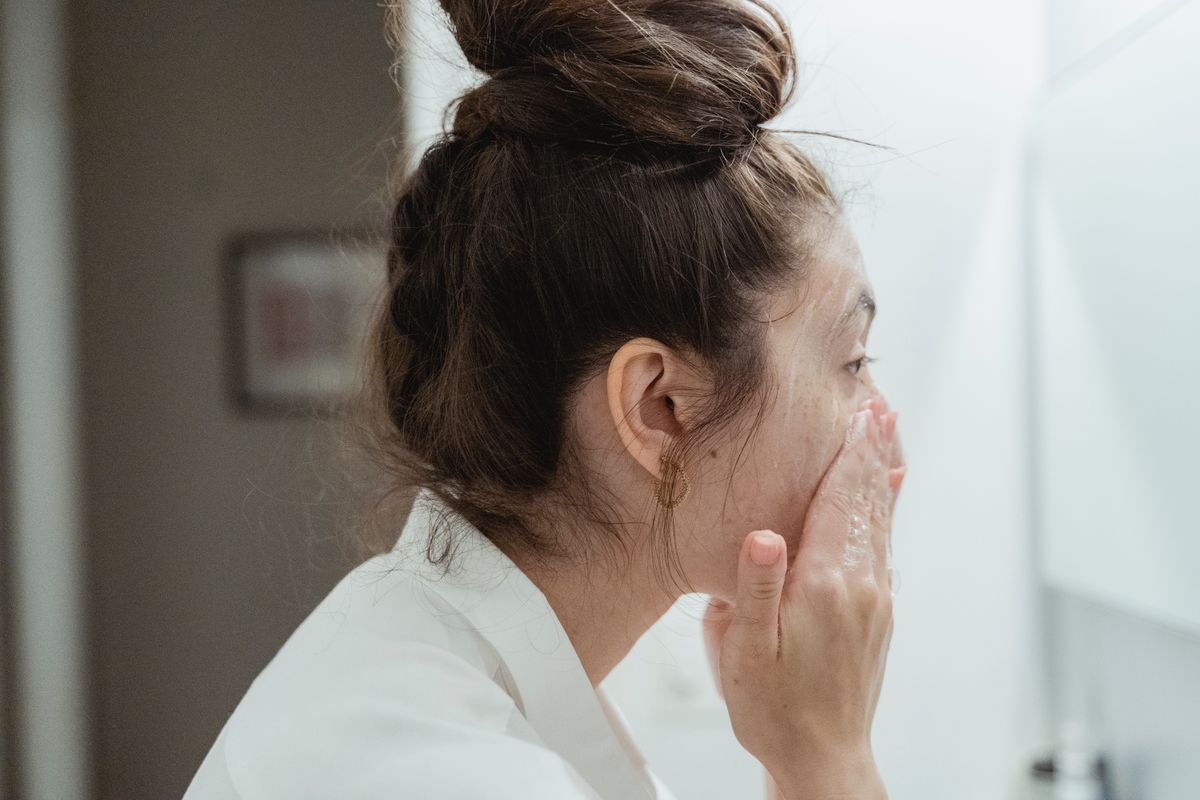
Acne can include blocked pores and inflamed pimples, with deeper lesions in more severe cases. It may affect the back, chest or shoulders alongside facial acne, or be the main concern on its own. The distribution and combination of lesions help the clinician decide whether the pattern fits acne.
AAD guidance on back acne recommends professional help for deep or painful lesions. A widespread eruption should not be dismissed as a hygiene problem. Explain whether there is pain, itch, discharge or a sudden change, because those details may alter the assessment.
Could it be folliculitis instead?
Folliculitis involves the hair follicles and can appear as an acne-like eruption. AAD explains that folliculitis may resemble acne and can be itchy or painful. Uniform bumps or prominent itch are useful clues to mention, but they do not confirm the cause. A clinician may need examination or testing depending on the circumstances.
Avoid using the internet label “fungal acne” as a diagnosis. Different organisms, irritation and other processes can produce similar-looking bumps. Applying an antifungal, antibiotic or steroid without assessment can confuse the picture or delay appropriate treatment. Tell the doctor what has already been tried, including products borrowed from someone else.
Why clothing and sweating matter
Exercise does not mean you are doing something wrong. The practical concern is how heat, moisture and friction interact with your skin and routine. A tight strap, sports equipment or clothing that stays damp may repeatedly irritate the same area. Look for patterns rather than assuming sweat is the only cause.
For daily life in Malaysia, consider what happens after a workout or a humid commute. Can you change clothing and cleanse gently when practical? Is a backpack rubbing an inflamed area? Small adjustments may help the overall care plan, but they do not replace treatment when the condition is significant.
Why product format matters on the body
A product that works conveniently on a small facial area may be awkward across the back. A wash and a leave-on preparation also have different instructions. Ask whether the chosen formulation fits the affected area and whether you can apply it safely and consistently.
Do not simply increase the amount of a facial product to cover extensive body involvement. The total area, specific medicine, age and medical circumstances matter. Your pharmacist or doctor can explain the actual product’s directions and precautions. Mention pregnancy or pregnancy planning before treatment changes, particularly if a retinoid is being considered.
What treatment options might be discussed?
The options depend on diagnosis and severity. The AAD acne guideline describes topical and systemic treatment choices selected for the clinical situation. The fact that an ingredient is used for acne does not make it suitable for every widespread body eruption.
A doctor may discuss topical care for some cases and a wider approach when lesions are extensive, deep or difficult to control. Ask which outcome the initial plan is intended to improve and how response will be reviewed. Do not interpret a treatment list as a recommendation to combine all options.
Build a routine you can actually follow
Make application realistic
Be honest if you cannot reach the affected area. A plan that assumes perfect access may fail for practical reasons rather than because the medicine has no benefit. Ask about appropriate application aids or a different formulation. Avoid rough tools that scrape or repeatedly rub inflamed skin.
Keep cleansing gentle
Abrasive brushes and vigorous scrubbing can make the skin uncomfortable. A clean feeling is not measured by tightness or stinging. Ask which cleansing and moisturising steps support the treatment rather than adding an antibacterial soap, scrub and exfoliating lotion by default.
Account for fabrics
Some acne preparations can affect clothing or bedding. Check the label and plan around school uniforms, work clothes and towels. Practical problems are worth mentioning to the clinician; otherwise you may quietly reduce treatment use while the review assumes you followed the plan.
Separate new acne from the marks it leaves
Old brown or red marks can remain visible after a lesion settles. They are different from a newly inflamed spot and from a permanent change in contour. DermNet describes both texture scars and residual colour changes after acne. A review should identify which concern is still active.
Track the pattern over time rather than assessing every mark as ongoing acne. If new lesions are fewer but old colour remains, that is a different discussion from continuing painful nodules. Picking to remove a visible mark can create fresh injury and make the next comparison harder.
When should you seek medical advice?
Arrange assessment for persistent, widespread or scarring acne, deep tender lesions, a sudden unusual eruption or significant distress. If there is fever, rapidly spreading redness, a painful enlarging swelling or you feel generally unwell, seek prompt medical care rather than treating it as an ordinary cosmetic breakout.
Do not wait until an entire treatment course is over if symptoms become difficult to tolerate. Tell the clinician whether sleep, exercise or clothing is affected. These functional details help explain severity even when the area is usually covered and other people cannot see it.

What should you bring to the appointment?
- A list or photographs of the products used on the body and hair.
- Current medicines, supplements and any recent changes.
- The timing of the eruption and whether it comes and goes.
- Details of itching, pain, discharge or scarring.
- Previous treatment names, duration, actual use and response.
- Relevant exercise, equipment or clothing patterns.
- Photographs taken in similar lighting if the appearance varies.
Do not feel you have to identify the trigger beforehand. The purpose of the history is to help the clinician consider possibilities. If you have used an unlabelled cream or cannot remember a medicine name, bring what information is available rather than guessing.
Frequently asked questions
Does body acne mean my skin is dirty?
No. Avoid treating the problem as a failure to wash hard enough. Acne is not solved by aggressive cleaning, and excessive friction can make care harder to tolerate. Diagnosis and an appropriate plan are more useful.
Can I use my facial acne medicine on my chest?
Check the specific medicine’s instructions and ask the prescriber or pharmacist. A larger treatment area or a different skin condition can change the advice. Do not assume products are interchangeable across all body sites.
Should I stop exercising?
Exercise does not automatically need to stop. Discuss how to manage clothing, friction and post-exercise care, and ask for advice if a particular activity is painful or a suspected infection is present.
Do itchy bumps prove folliculitis?
No. Itch is a useful symptom to report, but it cannot establish the diagnosis or the organism involved. Self-treating several possible causes at once can make the assessment more difficult.
When should I judge the response?
Agree on a review point with your clinician and use consistent photographs. Seek advice earlier if lesions become deep, painful or scarring, or if the treatment causes significant irritation.
What if it clears and returns?
A maintenance discussion may be needed after improvement. Our guide to recurring acne explains why relapse deserves a different review from initial nonresponse.
A plan for the condition and the routine
Back and chest acne care works best when the diagnosis and practical application are both considered. Explore acne treatment assessment in Malaysia for the broader options. At NextMed Clinic, bring the full routine so a consultation can address what is actually happening on your skin.
This article provides general information and cannot diagnose a skin condition or replace personalised medical advice. Treatment suitability and outcomes vary.