
Lifestyle Modifications for Acne Patients in Malaysia
Acne is a common skin condition that affects millions of people worldwide, characterized by the presence of pimples, blackheads, and cysts primarily on the face, but also on the back, shoulders, and chest. While medical treatments like topical creams, antibiotics, and isotretinoin are often prescribed to manage acne, lifestyle modifications can play a crucial role in enhancing treatment outcomes and promoting clearer skin. These modifications encompass various aspects of daily life, from diet and skincare routines to stress management and overall well-being.
Table of Contents
The Role of Diet - Acne

Dietary choices can significantly impact skin health, including acne severity. Research suggests that certain foods can trigger or exacerbate acne, such as high-glycemic index foods (like sugary snacks and processed carbohydrates) and dairy products. Conversely, a diet rich in fruits, vegetables, whole grains, and lean proteins provides essential nutrients and antioxidants that support skin health. Omega-3 fatty acids found in fish, flaxseeds, and walnuts may also help reduce inflammation associated with acne. Keeping hydrated with plenty of water is equally vital for flushing out toxins and maintaining skin elasticity.
Skincare Practices - Acne

Effective skincare routines are essential for managing acne. Gentle cleansing with a non-comedogenic (non-pore-clogging) cleanser twice daily helps remove excess oil, dirt, and makeup without irritating the skin. Exfoliation 1-2 times per week can help unclog pores, but over-exfoliation should be avoided to prevent skin irritation. Moisturizing with a lightweight, oil-free moisturizer helps maintain skin hydration without adding unnecessary oils. Choosing skincare products labeled “non-comedogenic” ensures they won’t exacerbate acne.
Stress Management - Acne

Stress is known to trigger hormonal changes that can worsen acne. Implementing stress-reduction techniques such as yoga, meditation, deep breathing exercises, or regular physical activity can help manage stress levels and improve overall skin health. Adequate sleep is also crucial, as it allows the skin to repair and regenerate, supporting acne recovery.
Avoiding Smoking and Limiting Alcohol - Acne
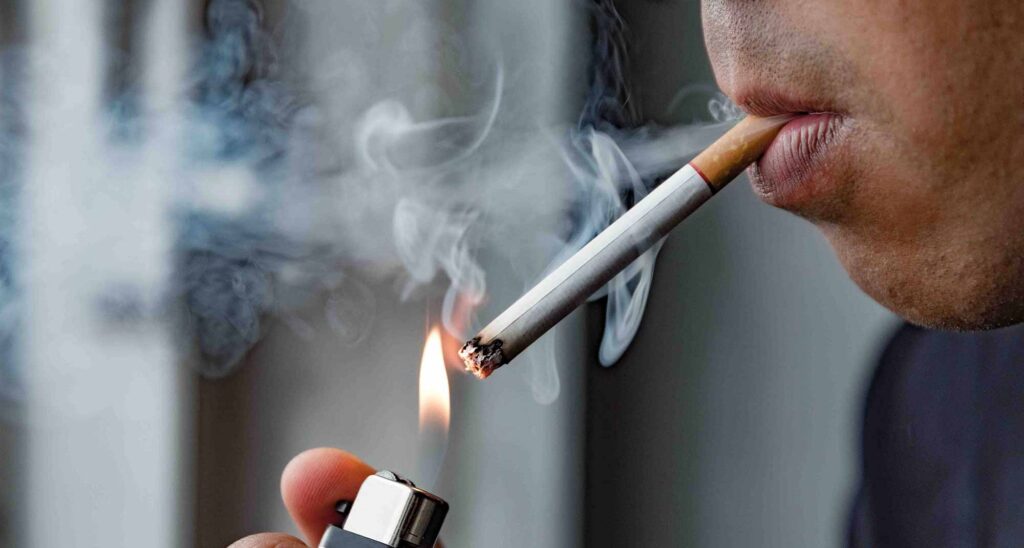
Smoking and excessive alcohol consumption can negatively impact skin health. Smoking reduces blood flow to the skin, depriving it of oxygen and essential nutrients, which can exacerbate acne and delay healing. Alcohol can dehydrate the skin and increase inflammation, potentially aggravating acne symptoms. Avoiding smoking and limiting alcohol intake can significantly improve skin condition over time.
Exercise and Physical Activity - Acne

Regular exercise improves blood circulation, which helps deliver oxygen and nutrients to the skin. It also reduces stress levels, which can indirectly benefit acne-prone skin. However, it’s essential to shower and cleanse the skin promptly after exercising to remove sweat and bacteria that can clog pores.
Consultation with Healthcare Providers

Individuals with acne should work closely with dermatologists or healthcare providers to develop personalized treatment plans that incorporate both medical interventions and lifestyle modifications. Regular follow-ups allow adjustments to the treatment plan based on the skin’s response and any changes in lifestyle habits.
Conclusion
In conclusion, while medical treatments play a crucial role in managing acne, lifestyle modifications can complement these treatments and enhance overall skin health. Adopting a balanced diet, establishing a consistent skincare routine, managing stress levels, avoiding smoking and excessive alcohol consumption, incorporating regular exercise, and seeking guidance from healthcare professionals all contribute to clearer, healthier skin. By taking a holistic approach to acne management, individuals can achieve long-term improvements in their skin condition and boost their overall well-being.
Frequent Asked Questions (FAQs)
What are the common treatment options for acne?
- Topical Treatments: These include over-the-counter creams containing benzoyl peroxide, salicylic acid, or sulfur, as well as prescription topical antibiotics or retinoids.
- Oral Medications: Antibiotics (like doxycycline or minocycline) and hormonal treatments (such as birth control pills or spironolactone) are prescribed for moderate to severe acne.
- Isotretinoin: Reserved for severe nodular acne, isotretinoin (Accutane) is a potent oral medication that reduces oil production and prevents acne formation.
Procedures: Dermatological procedures like chemical peels, laser therapy, or extraction of comedones (blackheads and whiteheads) may be recommended for resistant or scarring acne.
What are the causes of acne?
- Excess Oil Production: Hormones stimulate the sebaceous glands to produce more oil, leading to clogged pores.
- Clogged Pores: Dead skin cells and bacteria can block hair follicles, resulting in acne.
- Bacteria: Propionibacterium acnes (P. acnes) bacteria thrive in clogged pores, causing inflammation and acne lesions.
- Hormonal Changes: Puberty, menstrual cycles, pregnancy, and hormonal disorders can trigger acne due to fluctuating hormone levels.
- Genetics: Family history can predispose individuals to acne-prone skin.
- Diet: High-glycemic index foods and dairy products may exacerbate acne in some individuals.
How can I find acne treatment near me?
- NextMed Clinic
- Dermatologists: Look for board-certified dermatologists specializing in acne treatment. They can provide personalized treatment plans based on your skin type and acne severity.
- General Practitioners: Your primary care doctor may offer initial assessments and treatment options for mild acne.
- Online Resources: Use online directories or healthcare provider websites to locate dermatologists or clinics specializing in acne treatment in your area.
- Referrals: Ask friends, family, or healthcare professionals for recommendations based on their experiences.
How long does it take for acne treatments to work?
- Topical Treatments: Improvement may be seen within a few weeks, but it can take up to 2-3 months for significant results.
- Oral Medications: Antibiotics may show improvement within 6-8 weeks, while hormonal treatments may require several months to regulate hormone levels and reduce acne.
- Isotretinoin: This treatment typically requires a course of 4-6 months, with noticeable improvement seen gradually during the treatment period.
What should I discuss with my dermatologist during an acne consultation?
- Acne History: Describe the severity, duration, and any previous treatments or medications used.
- Current Skincare Routine: Provide details about products used and any improvements or exacerbations noticed.
- Medical History: Include information about allergies, medications, and hormonal conditions.
- Expectations: Discuss treatment goals, potential side effects, and the timeline for improvement.
- Follow-up Plan: Confirm the schedule for follow-up visits to monitor progress and adjust treatment as needed.
Laser Treatment for Acne Scars Malaysia | Pico vs CO2 Laser
Laser Treatment for Acne Scars in Malaysia: Which Laser Is Best for Your Scar Type? Acne may disappear, but the scars it leaves behind can
Male Pattern Baldness: Causes, Signs and Treatment Options
Male Pattern Baldness: Causes, Signs and Treatment Options What Is Male Pattern Baldness? Male pattern baldness is the most common cause of hair loss in
Female Hair Loss: Why Hair Thinning Happens in Women
Female Hair Loss: Why Hair Thinning Happens in Women Female Hair Loss Is More Common Than Many People Think When people think about hair loss,
Masseter Botox for Face Slimming: How Does It Work?
Masseter Botox for Face Slimming: How Does It Work? Why Do Some People Have a Wider Lower Face? Many individuals feel that their face appears
How Collagen Loss Affects Aging: Why Skin Starts to Sag and Wrinkle
How Collagen Loss Affects Aging: Why Skin Starts to Sag, Thin and Lose Elasticity What Is Collagen? Collagen is the most abundant structural protein in
Preventive Anti-Aging in Your 30s: Why Starting Early Matters
Preventive Anti-Aging in Your 30s: Why Starting Early Matters Why Your 30s Matter for Aging Many people assume anti-aging treatments are only necessary when wrinkles
Why Choose Us ?
As one of the Leading Aesthetic Clinic in Malaysia, NextMed Clinic provides top-notch procedures by Certified Medical Practitioners. Whatever your concerns, be it enhancing your natural features or reversing the signs of aging, NextMed Clinic is able to deliver a wide range of quality, state of art & personalized aesthetic, general health services & wellness solution, merged with exemplary service, in a warm and pleasent enviroment designed to make you feel completely at ease.
At NextMed Clinic, we strongly believe that each patient is unique. Therefore treatments are customized to each patient’s specific needs.

Certified Doctor
.