
Female Hair Loss: Why Hair Thinning Happens in Women
Female Hair Loss Is More Common Than Many People Think
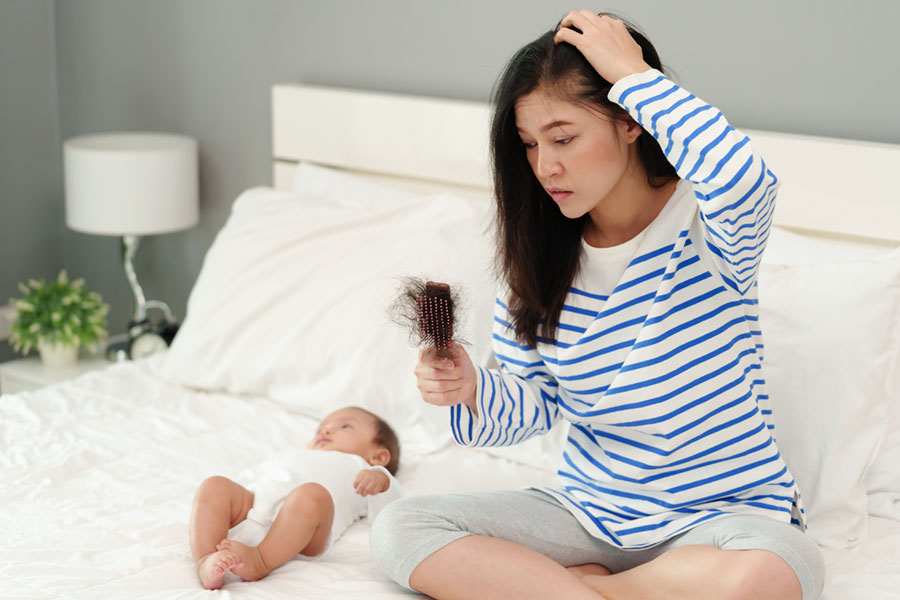
When people think about hair loss, they often imagine male pattern baldness. However, hair thinning and hair loss are also very common among women.
Many women become concerned when they notice:
- Increased hair shedding
- A widening part line
- Reduced hair volume
- Thinner ponytail
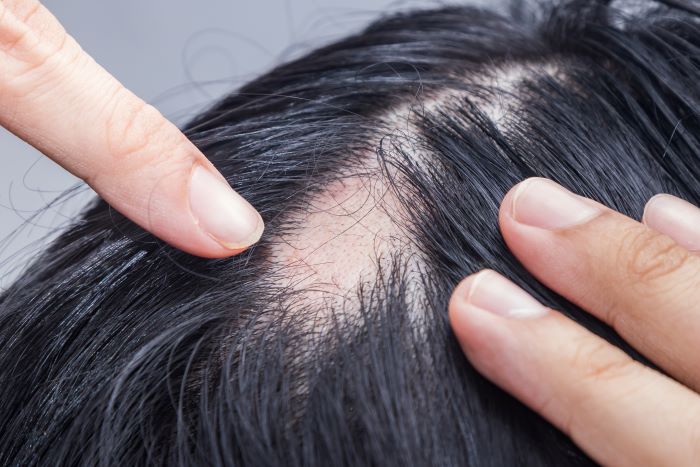
- More visible scalp
- Difficulty styling hair
Unlike men, women usually experience diffuse thinning rather than complete baldness. Because hair is closely linked to confidence and self-image, even mild hair loss can have a significant emotional impact.
The good news is that understanding the cause of hair loss is the first step towards appropriate management.
Table of Contents
Is Hair Loss Normal in Women?
Some hair shedding is completely normal.
Hair naturally cycles through:
Anagen Phase
The active growth phase.
Catagen Phase
The transition phase.
Telogen Phase
The resting and shedding phase.
A certain amount of daily hair shedding occurs as part of this natural process.
Problems arise when excessive numbers of hair follicles enter the shedding phase or when hair growth becomes disrupted.
What Causes Female Hair Loss?
Hair loss in women can occur for many reasons.
Common causes include:
- Genetics
- Hormonal changes
- Stress
- Nutritional deficiencies
- Medical conditions
- Scalp disorders
- Aging
Many patients have more than one contributing factor.
Female Pattern Hair Loss
One of the most common causes of female hair thinning is Female Pattern Hair Loss (FPHL).
This condition is influenced by genetics and hormonal factors.
Unlike male pattern baldness, women typically experience:
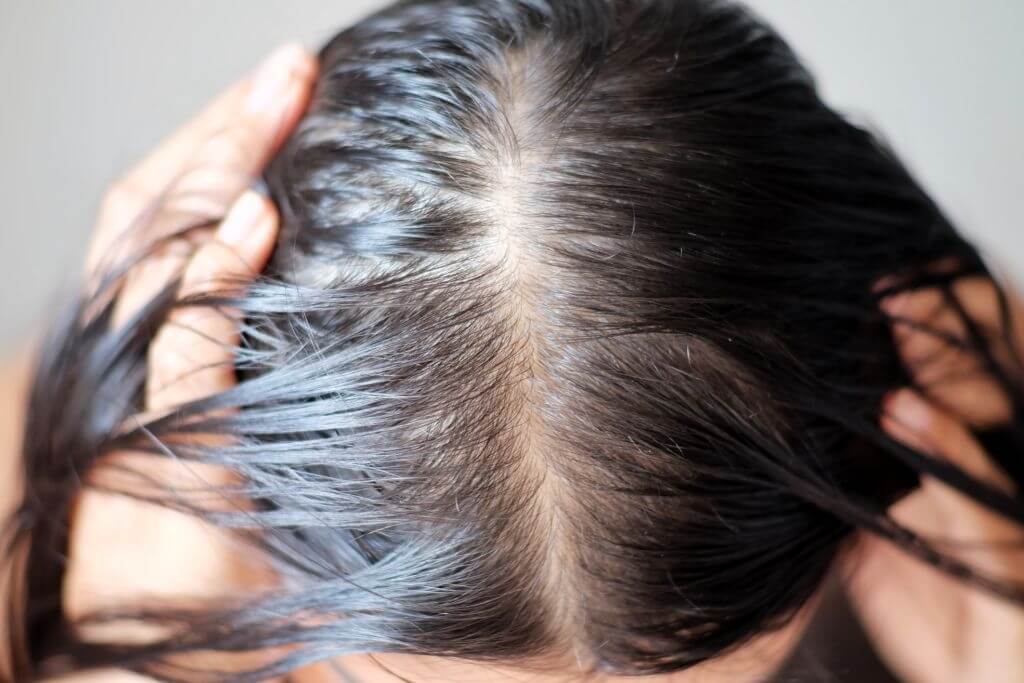
- Widening central part line
- Diffuse thinning
- Reduced hair density
- Overall volume loss
The frontal hairline is often preserved.
Because the condition is progressive, early assessment is important.
Hormonal Changes and Hair Loss
Hormones play a major role in hair growth.
Fluctuations in hormone levels may contribute to:
- Increased shedding
- Hair thinning
- Reduced hair density
Common hormonal triggers include:
Pregnancy
Many women notice increased shedding several months after childbirth.
Menopause
Hormonal changes during menopause may contribute to thinning hair.
Polycystic Ovary Syndrome (PCOS)
PCOS may affect hair growth patterns and contribute to hair loss.
Thyroid Disorders
Abnormal thyroid hormone levels may affect the hair growth cycle.
Hair Loss After Pregnancy
Postpartum hair loss is extremely common.
Many women experience noticeable shedding several months after giving birth.
This occurs because hormonal changes cause a larger number of hair follicles to enter the shedding phase simultaneously.
Although postpartum hair loss is often temporary, the experience can be distressing.
Stress and Female Hair Loss
Significant stress may trigger a condition known as:
Telogen Effluvium
In this condition, a larger proportion of hairs enter the resting phase.
Common triggers include:
- Emotional stress
- Major illness
- Surgery
- Significant weight loss
- Physical stress
Patients may notice sudden and diffuse hair shedding across the scalp.
Nutritional Deficiencies and Hair Thinning
Hair follicles require adequate nutrients to support healthy growth.
Certain deficiencies may contribute to hair loss.
Examples include:
Iron Deficiency
One of the most common nutritional causes of female hair thinning.
Protein Deficiency
Hair is largely composed of protein.
Inadequate intake may affect hair growth.
Vitamin Deficiencies
Certain vitamins play important roles in maintaining healthy hair follicles.
Zinc Deficiency
May contribute to hair shedding in some individuals.
Addressing nutritional deficiencies may form part of a comprehensive hair management plan.
Can Aging Cause Hair Loss?
Yes.
As women age, hair growth patterns may gradually change.
Common age-related changes include:
- Thinner hair strands
- Reduced density
- Slower growth
- Less volume
These changes often become more noticeable after the age of 40.
Scalp Health and Hair Growth
A healthy scalp provides an environment that supports healthy hair growth.
Scalp issues that may contribute to hair concerns include:
- Excess oil production
- Dandruff
- Inflammation
- Scalp irritation
Addressing scalp health is often an important component of hair loss management.
Early Signs of Female Hair Loss
Recognizing hair loss early may provide the best opportunity for intervention.
Warning signs include:
Widening Part Line
One of the earliest signs of female pattern hair loss.
Increased Hair Shedding
Noticing significantly more hair fall than usual.
Reduced Hair Volume
Hair appears flatter or thinner.
Visible Scalp
Scalp becomes more noticeable through the hair.
Thinner Ponytail
The ponytail feels less dense than before.
Can Hair Loss Be Reversed?
The answer depends on the underlying cause.
Some forms of hair loss may improve when the trigger is addressed.
Examples include:
- Nutritional deficiencies
- Postpartum hair loss
- Stress-related shedding
Progressive conditions such as female pattern hair loss often benefit from early intervention and ongoing management.
Common Female Hair Loss Treatment Options
Treatment depends on the cause, severity and duration of hair loss.
Options may include:
Medical Hair Loss Treatments
Designed to support hair growth and reduce further loss.
Scalp Health Management
Improving scalp conditions that may affect hair follicles.
Regenerative Hair Treatments
Designed to support hair follicle health and scalp rejuvenation.
Examples may include:
- Hair growth support therapies
- Scalp regeneration treatments
- Hair density enhancement programs
Nutritional Optimization
Addressing deficiencies that contribute to hair thinning.
Combination Treatment Plans
Many women benefit from a personalized approach that combines multiple treatment strategies.
Why Early Treatment Matters
Hair loss is often easier to manage during the early stages.
Seeking assessment early may help:
- Preserve existing hair
- Slow progression
- Improve scalp health
- Support long-term hair density
Waiting until significant thinning develops may reduce available treatment options.
Hair Loss and Confidence
Hair often plays an important role in personal identity and confidence.
Many women report concerns such as:
- Looking older
- Feeling less confident
- Difficulty styling hair
- Avoiding photographs
Addressing hair concerns early may help improve both appearance and self-confidence.
Frequently Asked Questions
Is hair loss common in women?
Yes. Female hair loss is extremely common and may occur for many different reasons.
Can stress cause hair loss in women?
Yes. Significant stress may trigger increased shedding.
Is postpartum hair loss normal?
Yes. Temporary shedding after pregnancy is common.
Can nutritional deficiencies cause hair thinning?
Yes. Deficiencies such as iron deficiency may contribute to hair loss.
When should I seek treatment?
If you notice persistent shedding, thinning or reduced hair density, an assessment is recommended.

Conclusion
Female hair loss can occur for many reasons, including genetics, hormonal changes, stress, nutritional deficiencies and aging. Because different causes require different management strategies, identifying the underlying trigger is essential.
Early assessment and intervention may help preserve hair density, improve scalp health and support healthier hair growth over time.
Book Appointment Today
📞 Call us today at Hotline Malaysia: +60 11 3341 0688
Clinic Location:
NextMed Clinic Petaling Jaya
38, Jalan Gasing, Bukit Gasing, 46000 Petaling Jaya, Selangor
NextMed Clinic Cheras
8-G, Jalan Simfoni 1, Menara Simfoni, Cheras Selatan, Balakong, 43300 Seri Kembangan, Selangor
NextMed Clinic Setia Alam
71-G & 73-G Jalan Eco Ardence D U12/36D, 40170 Shah Alam, Selangor
NextMed Clinic Damansara Heights Kuala Lumpur
No. 11G, Plaza Damansara, Jalan Medan Setia 1, 50490 Damansara Heights, Kuala Lumpur
Read More:
Real Customer Review
Rated 5/5 Stars
Read why customers chose NextMed Clinic.
Why Choose NextMed Clinic?
At NextMed Clinic, hair loss assessments focus on identifying the underlying cause of thinning hair and developing individualized treatment plans.
Our approach considers hormonal factors, scalp health, nutritional influences and long-term hair preservation goals to provide comprehensive hair loss management.
Certified Doctor
.