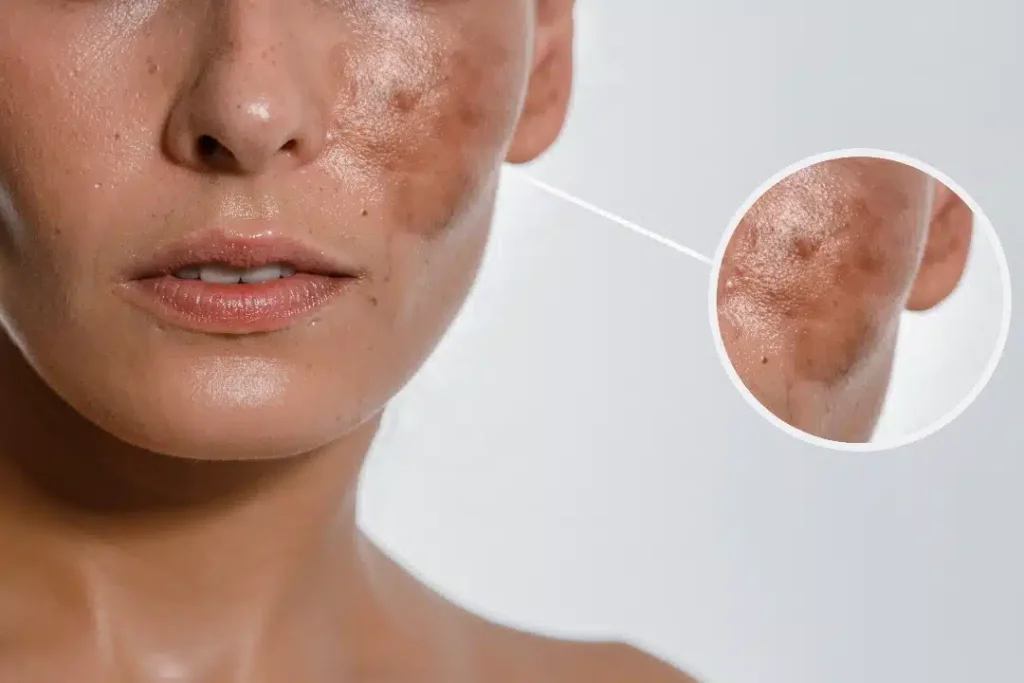
What Causes Pigmentation on the Face? Common Types of Facial Pigmentation
What Causes Pigmentation on the Face?
Facial pigmentation is one of the most common skin concerns affecting both men and women. Many people notice dark patches, uneven skin tone or stubborn spots that seem difficult to remove despite using skincare products.
Pigmentation can affect confidence and may make the skin appear older, duller or less healthy.
One of the most common questions patients ask is:
“Why am I developing pigmentation on my face?”
The answer is not always straightforward because pigmentation can occur for many different reasons.
Understanding the cause of pigmentation is important because different types of pigmentation often require different treatment approaches.
Table of Contents
What Is Pigmentation?
Pigmentation refers to changes in skin colour caused by excess melanin production.
Melanin is the natural pigment responsible for skin, hair and eye colour.
When the skin produces excessive melanin in certain areas, dark patches or spots may develop.
Pigmentation may appear as:
- Brown patches
- Dark spots
- Uneven skin tone
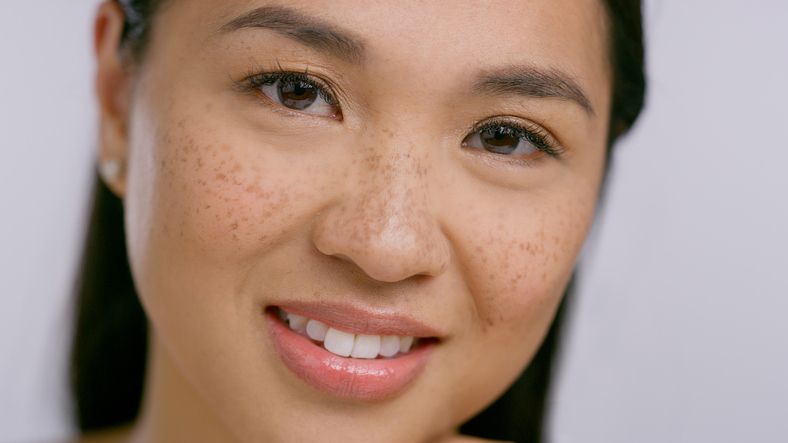
- Freckles
- Sunspots
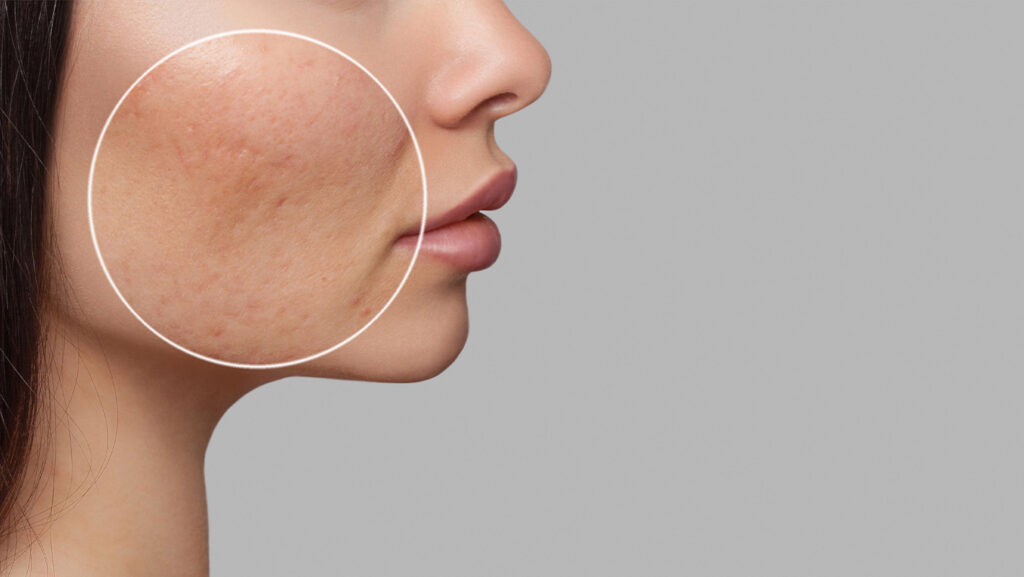
- Post-acne marks
The severity and appearance vary depending on the underlying cause.
Why Does Pigmentation Occur?
Pigmentation develops when melanocytes, the pigment-producing cells in the skin, become overactive.
Various triggers can stimulate melanocytes and increase melanin production.
Common causes include:
- Sun exposure
- Hormonal changes
- Skin inflammation
- Genetics
- Aging
- Environmental factors
Sun Exposure
One of the most common causes of pigmentation is ultraviolet (UV) radiation.
When the skin is exposed to sunlight, melanin production increases as a protective mechanism.
Over time, repeated UV exposure may contribute to:
- Sunspots
- Uneven skin tone
- Age spots
- Worsening melasma
Even brief daily exposure can gradually worsen pigmentation.
This is why sun protection remains one of the most important aspects of pigmentation management.
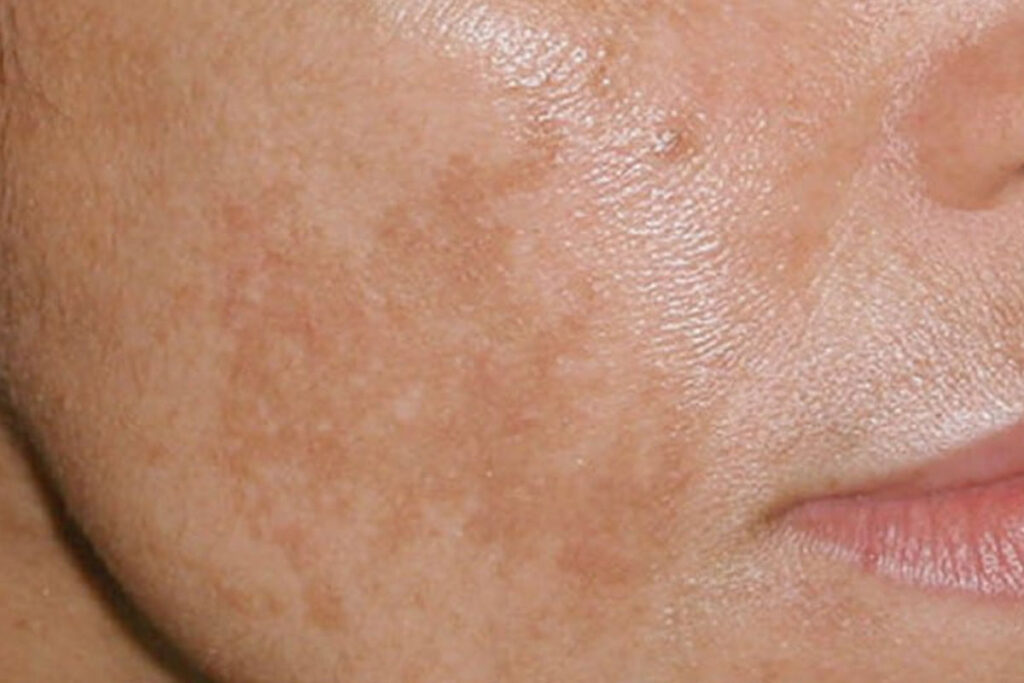
Melasma
Melasma is a chronic pigmentation condition that commonly affects:
- Cheeks
- Forehead
- Upper lip
- Chin
It often appears as symmetrical brown patches on the face.
Melasma is commonly associated with:
Hormonal Changes
Hormonal fluctuations may stimulate melanin production.
Common triggers include:
- Pregnancy
- Oral contraceptives
- Hormonal therapies
Sun Exposure
Ultraviolet light is one of the strongest triggers for melasma.
Even minimal sun exposure may worsen existing melasma.
Genetics
Individuals with a family history of melasma may have a higher risk of developing the condition.
Post-Inflammatory Hyperpigmentation (PIH)
Post-inflammatory hyperpigmentationdevelops after skin inflammation or injury.
The skin produces excess pigment as part of the healing process.
Common causes include:
Acne
Acne is one of the most frequent causes of pigmentation in younger patients.
Dark marks may remain long after pimples have healed.
Eczema
Inflammatory skin conditions may trigger pigmentation changes.
Skin Trauma
Scratching, picking or irritation may contribute to pigment formation.
PIH is particularly common in individuals with medium to darker skin tones.
Freckles
Freckles are small pigmented spots that often become more noticeable after sun exposure.
Freckles are influenced by:
- Genetics
- UV exposure
Unlike melasma, freckles usually appear as multiple small spots rather than large patches.
Sunspots and Age Spots
Sunspots, also known as solar lentigines, develop after years of cumulative sun exposure.
They commonly appear on:
- Face
- Hands
- Chest
- Shoulders
Sunspots are often seen in adults and may increase with age.
Hormonal Factors
Hormones play an important role in pigmentation.
Hormonal influences may contribute to:
- Melasma
- Uneven skin tone
- Persistent pigmentation
Women are more frequently affected because of hormonal fluctuations related to:
- Pregnancy
- Menstrual cycles
- Contraceptive use
Aging and Pigmentation
As we age, years of sun exposure and environmental damage accumulate.
This may contribute to:
- Uneven pigmentation
- Age spots
- Dull skin tone
Pigmentation is therefore a common concern among patients seeking anti-aging treatments.
Can Acne Cause Pigmentation?
Yes.
Many patients develop dark marks after acne lesions heal.
These marks are known as post-inflammatory hyperpigmentation.
The risk increases when:
- Acne is severe
- Pimples are picked or squeezed
- Inflammation is prolonged
Early acne management may help reduce the risk of pigmentation.
Why Does Pigmentation Keep Returning?
Pigmentation can be challenging because some conditions are chronic.
Common reasons for recurrence include:
Ongoing Sun Exposure
Even successful treatment may be undermined by continued UV exposure.
Untreated Triggers
Hormonal factors and inflammation may continue to stimulate pigmentation.
Inadequate Maintenance
Long-term maintenance is often important for pigmentation-prone individuals.
Common Pigmentation Treatment Options
Treatment recommendations vary depending on the type and severity of pigmentation.
Options may include:
Medical Skincare
Designed to regulate pigment production and improve skin tone.
Chemical Peels
May help improve superficial pigmentation.
Laser Treatments
Certain laser technologies may be used to target pigmentation concerns.
Skin Rejuvenation Treatments
May improve overall skin quality and support healthier skin.
Combination Treatments
Many patients achieve better outcomes through a personalized treatment plan combining multiple approaches.
How Can You Prevent Pigmentation?
Prevention is often easier than treatment.
Important strategies include:
Daily Sunscreen
Broad-spectrum sun protection is essential.
Sun Avoidance
Limiting excessive UV exposure may reduce pigment stimulation.
Early Treatment of Skin Conditions
Managing acne and inflammatory skin conditions promptly may reduce pigmentation risk.
Consistent Skincare
Maintaining a healthy skin barrier may support long-term skin health.
Frequently Asked Questions
What is the most common cause of facial pigmentation?
Sun exposure is one of the most common contributing factors.
Can pigmentation disappear on its own?
Some pigmentation may fade over time, while other forms may require treatment.
Can acne cause pigmentation?
Yes. Acne is a common cause of post-inflammatory hyperpigmentation.
Why does my pigmentation keep returning?
Pigmentation may recur due to ongoing triggers such as sun exposure, hormones or inflammation.
Is melasma permanent?
Melasma is often a chronic condition that requires long-term management.

Conclusion
Facial pigmentation can develop for many reasons, including sun exposure, melasma, acne, hormonal changes and aging. Because different types of pigmentation have different causes, accurate diagnosis is important when selecting the most appropriate treatment strategy.
Understanding the underlying trigger is the first step towards achieving a clearer, brighter and more even skin tone.
Book Appointment Today
📞 Call us today at Hotline Malaysia: +60 11 3341 0688
Clinic Location:
NextMed Clinic Petaling Jaya
38, Jalan Gasing, Bukit Gasing, 46000 Petaling Jaya, Selangor
NextMed Clinic Cheras
8-G, Jalan Simfoni 1, Menara Simfoni, Cheras Selatan, Balakong, 43300 Seri Kembangan, Selangor
NextMed Clinic Setia Alam
71-G & 73-G Jalan Eco Ardence D U12/36D, 40170 Shah Alam, Selangor
NextMed Clinic Damansara Heights Kuala Lumpur
No. 11G, Plaza Damansara, Jalan Medan Setia 1, 50490 Damansara Heights, Kuala Lumpur
Read More:
Real Customer Review
Rated 5/5 Stars
Read why customers chose NextMed Clinic.
Why Choose Us ?
As one of the Leading Aesthetic Clinic in Malaysia, NextMed Clinic provides top-notch procedures by Certified Medical Practitioners. Whatever your concerns, be it enhancing your natural features or reversing the signs of aging, NextMed Clinic is able to deliver a wide range of quality, state of art & personalized aesthetic, general health services & wellness solution, merged with exemplary service, in a warm and pleasent enviroment designed to make you feel completely at ease.
At NextMed Clinic, we strongly believe that each patient is unique. Therefore treatments are customized to each patient’s specific needs.

Certified Doctor
.